AstrotalkUK

Not for profit podcast. Astronomy, Deep Space Exploration and International Collaboration

  • Home
    • FAQ
    • Contact
    • About
    • Privacy Policy
  • Content
    • Podcast
    • All episodes
    • Book Review
    • Cyber Security
  • Events

Episode 84: NASA after the Shuttle. SLS and The Gateway

By Gurbir Dated: April 5, 2019 Leave a Comment

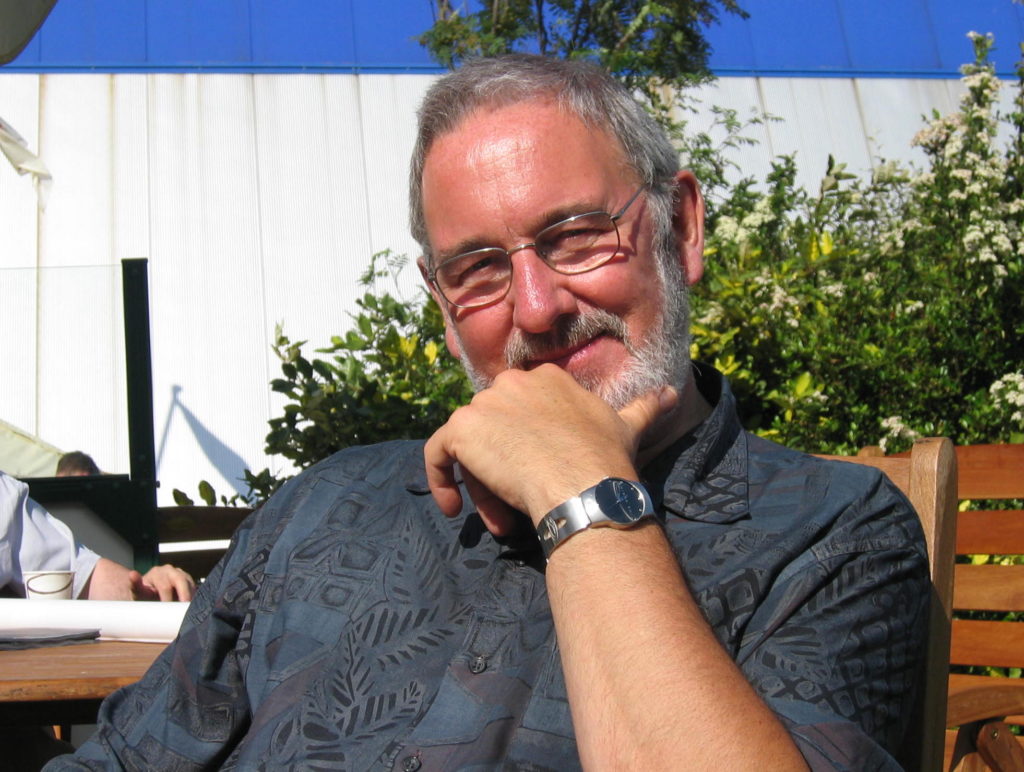
David Baker

David Baker has been involved with the USA since childhood. First attending a US school in England and then studying in the US under a scholarship program sponsored by Senator Clinton P Anderson. He returned to the USA and worked for NASA on various programs from Gemini to the SpaceShuttle. He was present in mission control in 1970 and witnessed the drama of Apollo 13 first hand.

He joined the British Interplanetary Society in 1965, published his first article in the society’s journal Spaceflight in 1969 and since 2011 has been the editor of that very journal -Spaceflight. To date, he has published a remarkable 110 books by the close of 2018 with a few more in the pipeline for 2019 to mark the fiftieth anniversary of Apollo 11.

(Note – following questions on the veracity of his Phd, David Baker resigned from the BIS as the editor of Spaceflight on 25th March 2021.)

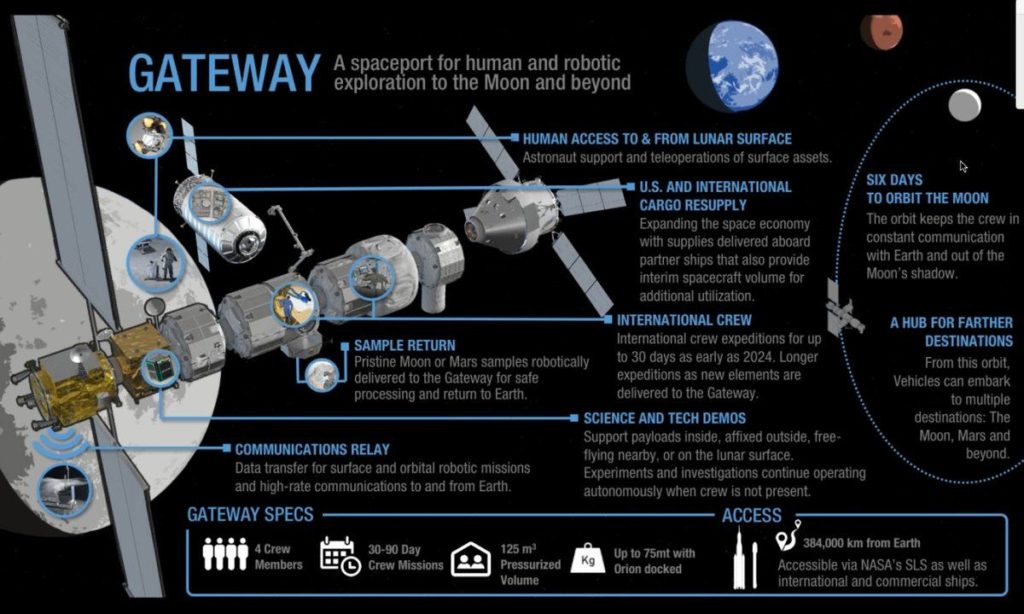
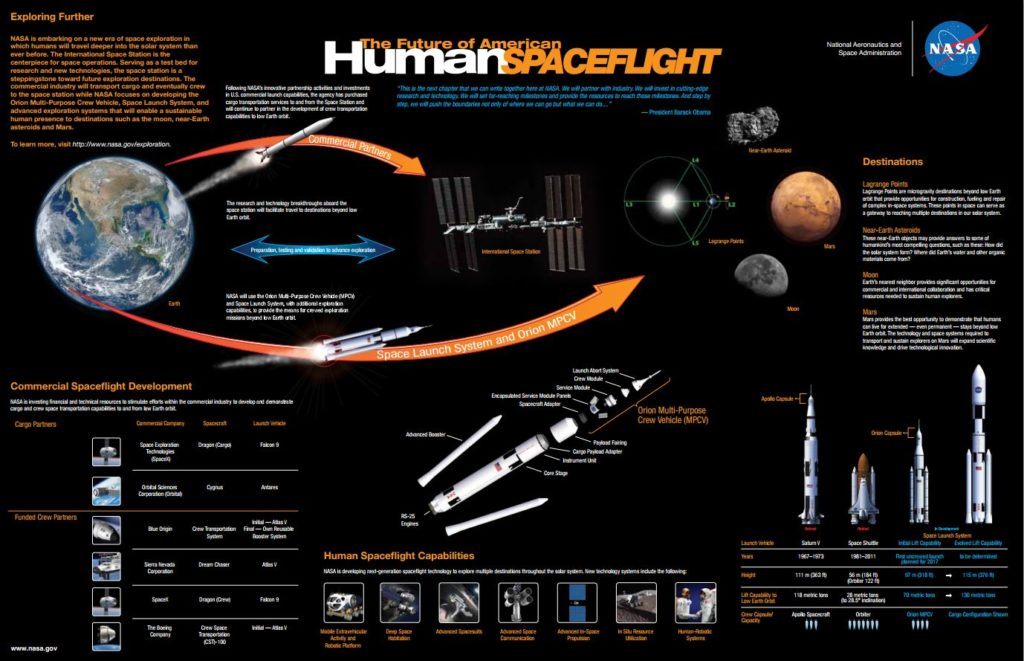
In this episode, we talk about the current status of the space programme in the US and the changing role of NASA.

  • The USA has not been able to launch US astronauts from the USA since the retirement of the Space Shuttle in 2011. NASA found itself in a similar position between 1975 (Apollo Soyuz Test programme) and the first Space Shuttle in 1981.
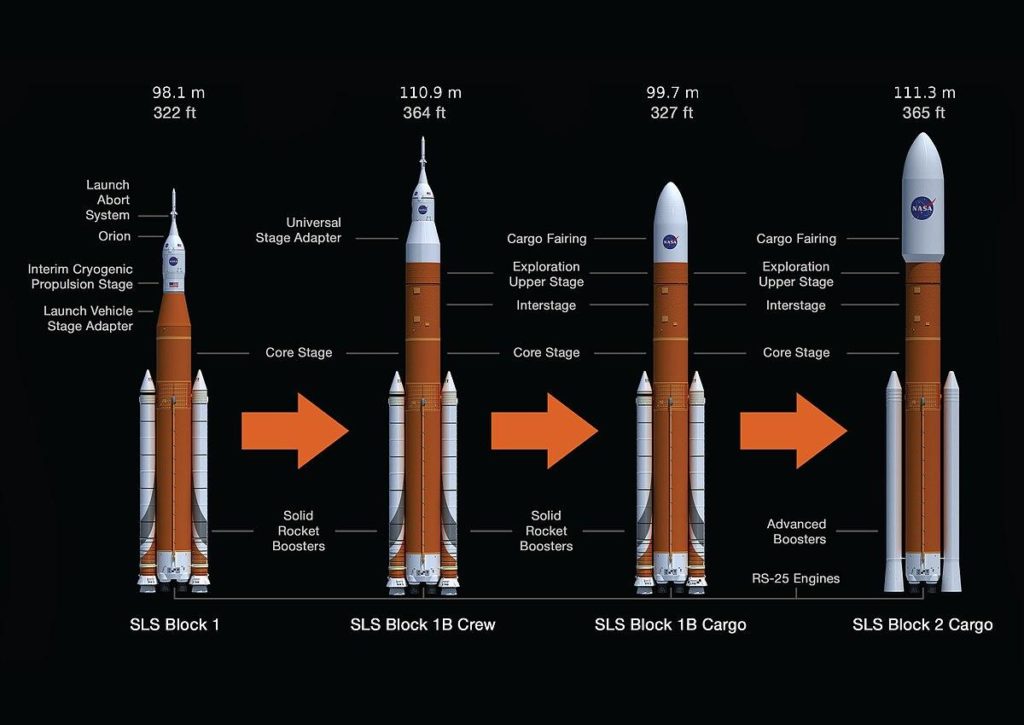
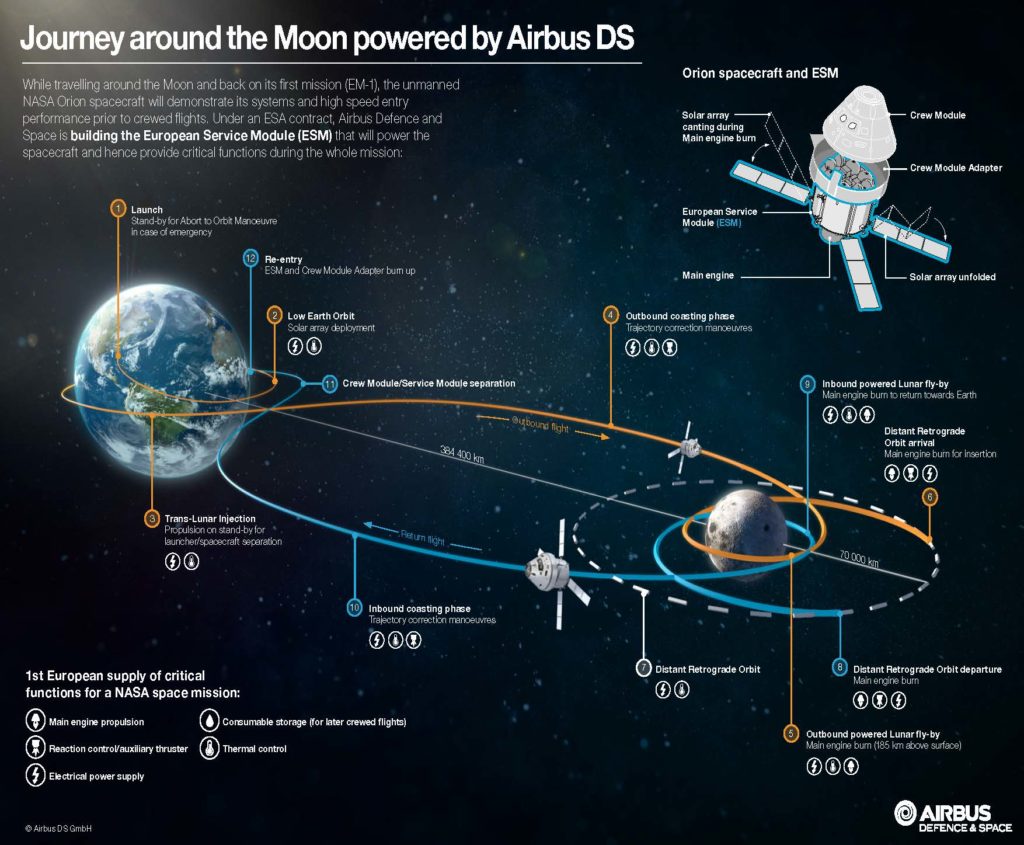
  • Why NASA dropped the Ares programme and why its replacement, the Space Launch System (SLS) schedule remains unclear. The first SLS mission, uncrewed – Exploration Mission-1 (EM-1) by 2020 and the second crewed mission, Exploration Mission-2 (EM-2) by 2023.
  • The successor to the ISS, the “Gateway” is an international project for a space station in lunar orbit. Only about a third of the size of the ISS and it will have fewer international partners.
  • The gateway is seen by Russia as an American lead programme. Will Russia participate with the gateway or consider a joint Russia/China human spaceflight programme?
  • China/USA cooperation in space has been prohibited ny US law. What prospects that this will change?
https://media.blubrry.com/astrotalkuk_podcast_feed/astrotalkuk.org/wp-content/uploads/2019/04/Episode-84-NASA-after-the-Space-Shuttle-with-David-Baker.mp3

Podcast: Play in new window | Download (Duration: 30:55 — 24.8MB) | Embed

Subscribe: Apple Podcasts | Spotify | RSS | More
Share this:

  • Click to share on LinkedIn (Opens in new window) LinkedIn
  • Click to share on Facebook (Opens in new window) Facebook
  • Click to share on Bluesky (Opens in new window) Bluesky

Episode 74: Space Debris and Sustainable use of Space

By Gurbir Dated: May 18, 2018 Leave a Comment

Dr Brian Weeded
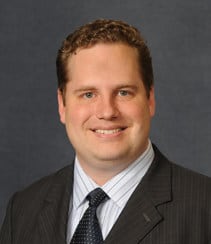
Dr Brian Weeden

Space, as the author Douglas Adams said, “is big. Really big. You just won’t believe how vastly, hugely, mind-bogglingly big it is”. After 6 decades of launching spacecraft, some orbits are now congested with space debris from collisions and poor end-of-life mission management. This has now become a serious hazard and even a danger to operational spacecraft. With plans to launch thousands of additional satellites, the Mega Constellations, in the coming decade, the need for some sort of “traffic management” in orbit has never been greater.

The Secure World Foundation was established in 2002 by philanthropists Marcell Arsenault and his wife Cynda Collins Arsenault. Its vision of “sustainable and peaceful uses of outer space contributing to global stability and benefits on Earth” is timely. In the last decade, the urgency to address the profound impact of climate change on Earth has finally been (almost) heeded,  the next decade will focus on space. The SWF is informing and leading this debate.

Dr Brian Weeden is the Director of Program Planning for Secure World Foundation. In the past, his responsibilities included intercontinental ballistic missile(ICBM) operations, working at Cheyenne Mountain and Vandenberg Air Force Base, and specialising in Space Situational Awareness in the US Air Force and Strategic Command’s Joint Space Operations Centre (JSpOC).  In this episode, he talks about the key issues of space debris, preventing the militarisation of space, raising awareness of cyber threats to spacecraft, developing resources for the many nations now developing space programmes, and fostering standards and policies for commercial uses of space.

The SWF produces some very interesting and readable resources. A selection below

PDF – Weapons and Conflict in Space: History, Reality, and The Future. A really good primary from Brian Weeden and others

PDF – Handbook for new actors in space

PDF – Global Counterspace Capabilities: An Open Source Assessment

PDF – Tomorrow’s Battlefield: Emerging Areas of Military Competition – Space,

PDF – Weapons and Conflict in Space: History, Reality, and The Future

MP3 – Big Data, Big Space, Big Risk: Addressing Cyber Security Threats

PDF – Preparing For a “Normalized” Space Domain – Secure World Foundation

https://media.blubrry.com/astrotalkuk_podcast_feed/astrotalkuk.org/wp-content/uploads/2018/04/Episode-74.-Space-Debris-and-Sustainable-use-of-Space.mp3

Podcast: Play in new window | Download (Duration: 54:23 — 43.6MB) | Embed

Subscribe: Apple Podcasts | Spotify | RSS | More
Share this:

  • Click to share on LinkedIn (Opens in new window) LinkedIn
  • Click to share on Facebook (Opens in new window) Facebook
  • Click to share on Bluesky (Opens in new window) Bluesky

Episode 72: Satish Dhawan Space Centre

By Gurbir Dated: June 1, 2015 Leave a Comment

ep72
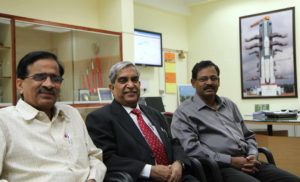
From left to right. V. Seshagiri Rao Associate director, Dr M.Y.S. Prasad SDSC director, Dr S.V. Subba Rao Deputy Director

Located about 80km from Chennai on India’s east coast, Satish Dhawan Space centre is used by ISRO to launch all of its satellites including those to the Moon and Mars. Also known as Sriharikota, it was established during the late 1960s, but today it has a vehicle assembly building, two launch pads and a state-of-the-art mission control centre.

In this episode, Dr MYS Prasad, the director of the Satish Dhawan Space Centre, describes the key services and activities at India’s 21st-century rocket launch complex. This interview was recorded in January 2014, and Dr Prasad stood down as director on 31st May 2015.

Video

https://media.blubrry.com/astrotalkuk_podcast_feed/astrotalkuk.org/wp-content/uploads/episode72.mp3

Podcast: Play in new window | Download (Duration: 51:56 — 47.5MB) | Embed

Subscribe: Apple Podcasts | Spotify | RSS | More
Share this:

  • Click to share on LinkedIn (Opens in new window) LinkedIn
  • Click to share on Facebook (Opens in new window) Facebook
  • Click to share on Bluesky (Opens in new window) Bluesky

Episode 69: Mars Orbiter Mission

By Gurbir Dated: November 18, 2014 Leave a Comment

Dr Mylswamy Annadurai is the program director for the Mars Orbiter Mission (MOM) launched in 2013 by the Indian Space Research Organisation. He served as the program director for the 2008  Chandrayaan-I mission to the Moon and is continuing that role for the Chandrayaan-2, currently in development.

ISROThis interview was recorded in his office at the ISRO’s Satellite Centre in Bangalore on 26th March 2014, after MOM had been launched but before it had arrived at Mars.

https://media.blubrry.com/astrotalkuk_podcast_feed/astrotalkuk.org/wp-content/uploads/episode69.mp3

Podcast: Play in new window | Download (Duration: 15:48 — 14.5MB) | Embed

Subscribe: Apple Podcasts | Spotify | RSS | More
Share this:

  • Click to share on LinkedIn (Opens in new window) LinkedIn
  • Click to share on Facebook (Opens in new window) Facebook
  • Click to share on Bluesky (Opens in new window) Bluesky
« Previous Page
Next Page »

Find me online here

  • E-mail
  • Facebook
  • LinkedIn
  • Twitter
  • Vimeo
  • YouTube

subscribe to mailing list and newsletter

  • This field is for validation purposes and should be left unchanged.

Browse by category

Recent Comments

  • Frank Pleszak on Episode 117: Early Aviation in Manchester
  • Gurbir Singh on Episode 111: Chandrayaan-3
  • Lunar Polar Exploration Mission: Difference between revisions – भोजपुरी on Episode 82: Jaxa and International Collaboration with Professor Fujimoto Masaki
  • Gurbir on Public Event. Anglo Indian Stephen Smith – India’s forgotten Rocketeer
  • Sandip Kumar Chakrabarti on Public Event. Anglo Indian Stephen Smith – India’s forgotten Rocketeer

Archives

Select posts by topic

apollo astrobiology Astrophotography BIS Book Review Carl Sagan CCD China chines space Cloud Computing cnsa commercial Cosmology curiosity Education ESA Gagarin History India Infosec ISRO jaxa Jodrell Bank Mars Media Moon NASA podcast radio astronomy Rakesh Sharma rocket Rockets Roscosmos Science Science Fiction seti Solar System soviet space space spaceflight titan USSR video Vostok Yuri Gagarin

Copyright © 2008–2025 Gurbir Singh - AstrotalkUK Publications Log in