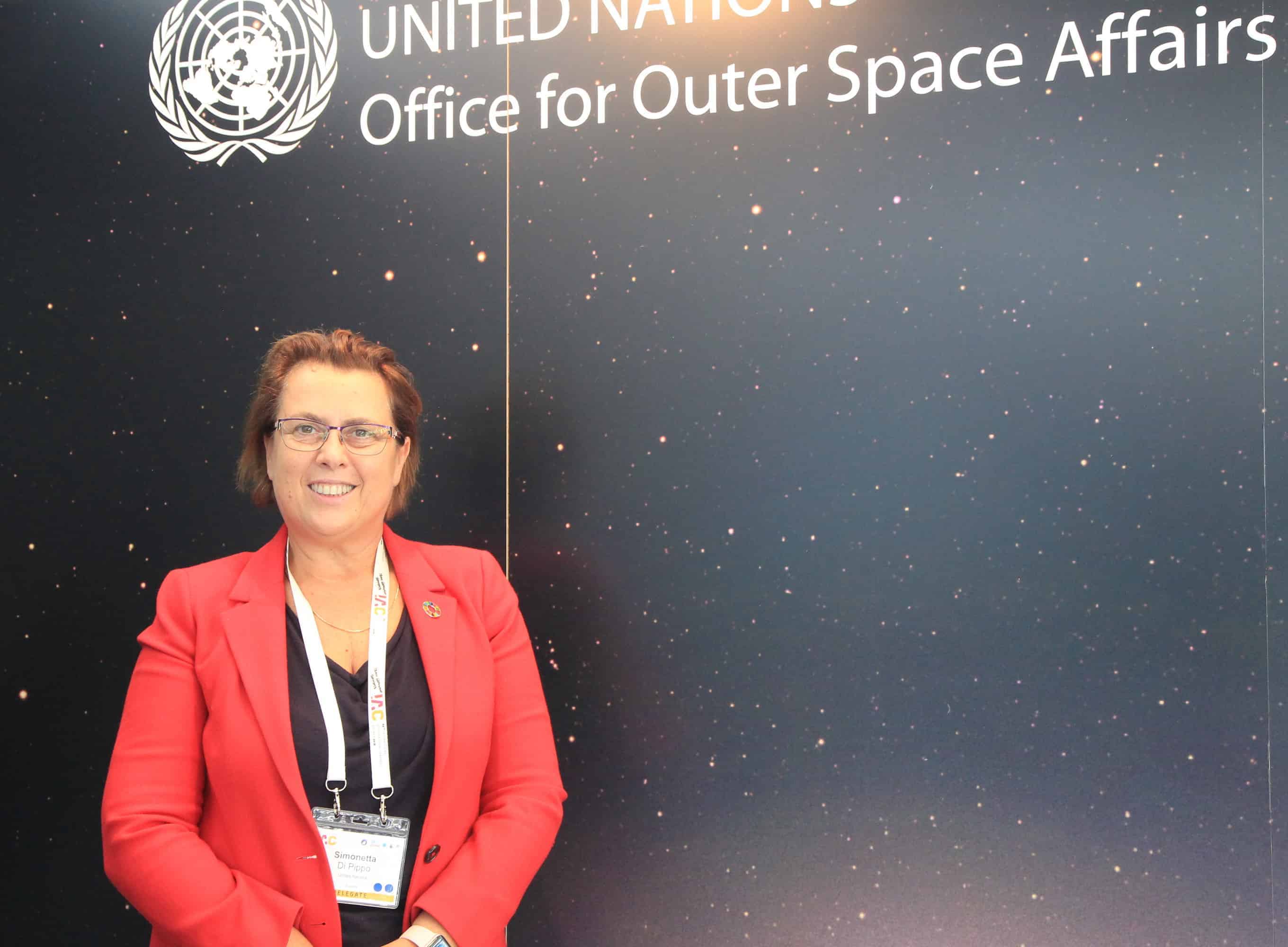
Ensuring the peaceful uses of outer space has been the primary objective of the United Nations, as set out in the Outer Space Treaty, established in 1968. The United Nations Office for Outer Space Affairs (UNOOSA) achieves this by promoting international cooperation in the peaceful uses of outer space. This interview with UNOOSA director Simonetta Di Pippo was recorded at IAC 2018. Some parts may be a little noisy. An audio and video of this episode are available below.
UNOOSA serves as the secretariat for the General Assembly’s only committee dealing exclusively with international cooperation in the peaceful uses of outer space: the United Nations Committee on the Peaceful Uses of Outer Space (COPUOS).
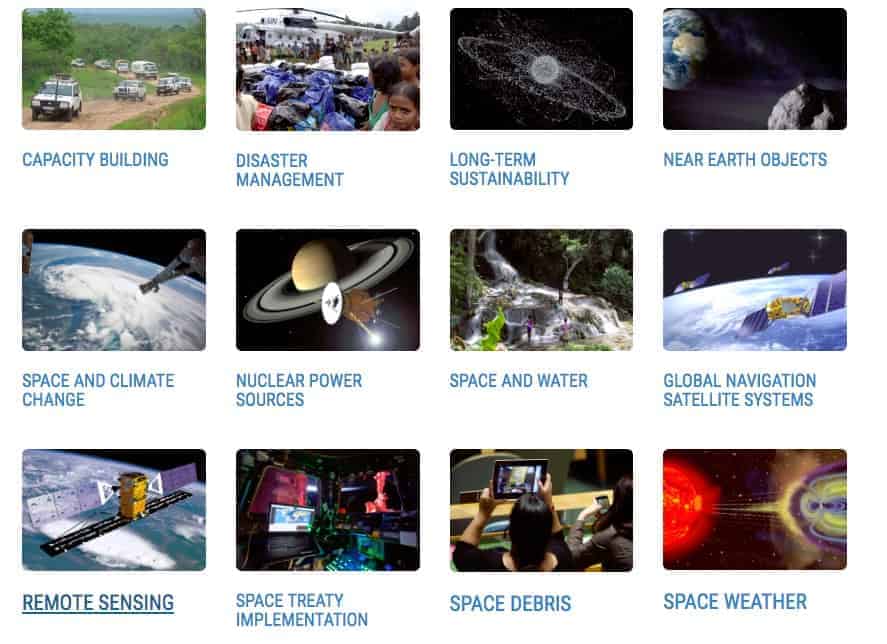
Some of the highlights include:
- UNOOSA is responsible for maintaining the public register of all space objects ever launched to Earth orbit and beyond.
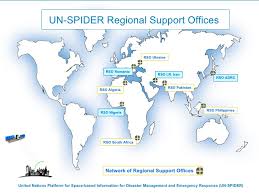
- United Nations Platform for Space-based Information for Disaster Management and Emergency Response (UN-SPIDER) is a flagship programme established in 2006. UN-Spider has access to multiple space agencies to acquire historical and current satellite images to help with emergency disaster management from wherever they arise – Earthquakes, flooding, forest fires and threats from outer space, including Space weather and near-Earth Asteroids.
- Outer Space Treaty is a “masterpiece”. The UN operates through a consensus-based mechanism. It is this consensus that the Outer Space Treaty is so resilient. Still operational and relevant more than fifty years after it was founded. It remains coherent and powerful and will remain so through the coming phase of commercial space operations.
- UNOOSA acts as a broker to promote International Collaboration. The Japanese Space Agency is promoting small-satellite projects from developing nations and university students, thereby fostering the development of National Space Agencies worldwide (currently about 70 countries). The Japanese Space Agency, JAXA, is helping new countries such as Kenya, Hungary, UAE, Guatemala, Mauritius and Indonesia to have some level of space presence.
- UNOOSA supported the China National Space Agency’s Announcement of Opportunity to host payloads on the China Space Station. A total of 36 proposals were received for payloads aboard CSS. A selection process is now underway.
- As a separate announcement, CNSA announced that China will host Pakistan’s first astronaut aboard the CSS by 2022. However, Pakistan’s Space Agency SUPARCO has not yet mentioned it on its website.
Podcast: Play in new window | Download (Duration: 25:12 — 20.2MB) | Embed
Subscribe: Apple Podcasts | Spotify | RSS | More
Leave a Reply