AstrotalkUK

Not for profit podcast. Astronomy, Deep Space Exploration and International Collaboration

  • Home
    • FAQ
    • Contact
    • About
    • Privacy Policy
  • Content
    • Podcast
    • All episodes
    • Book Review
    • Cyber Security
  • Events

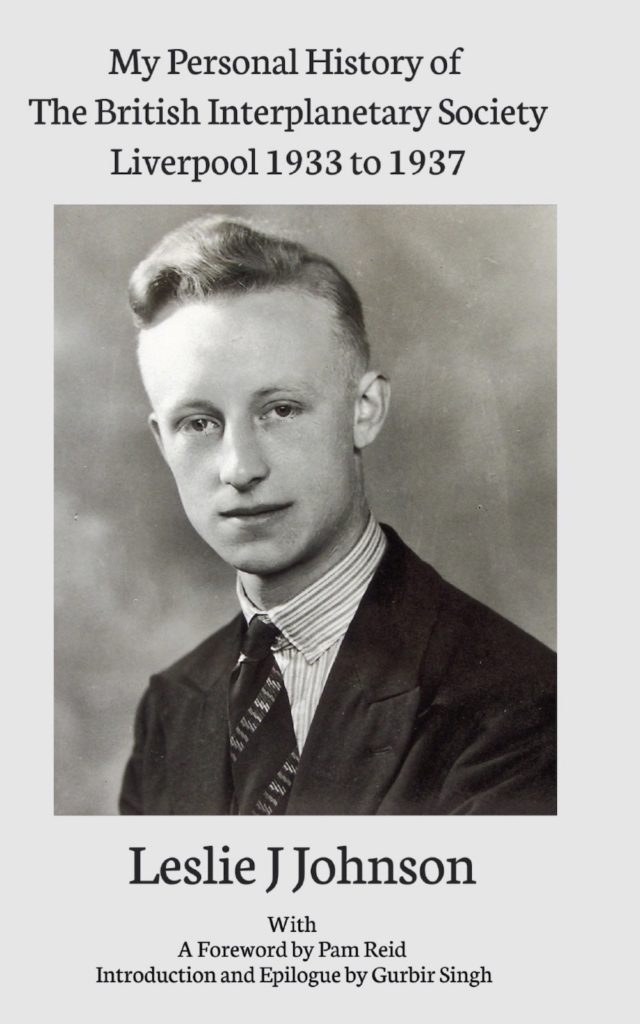
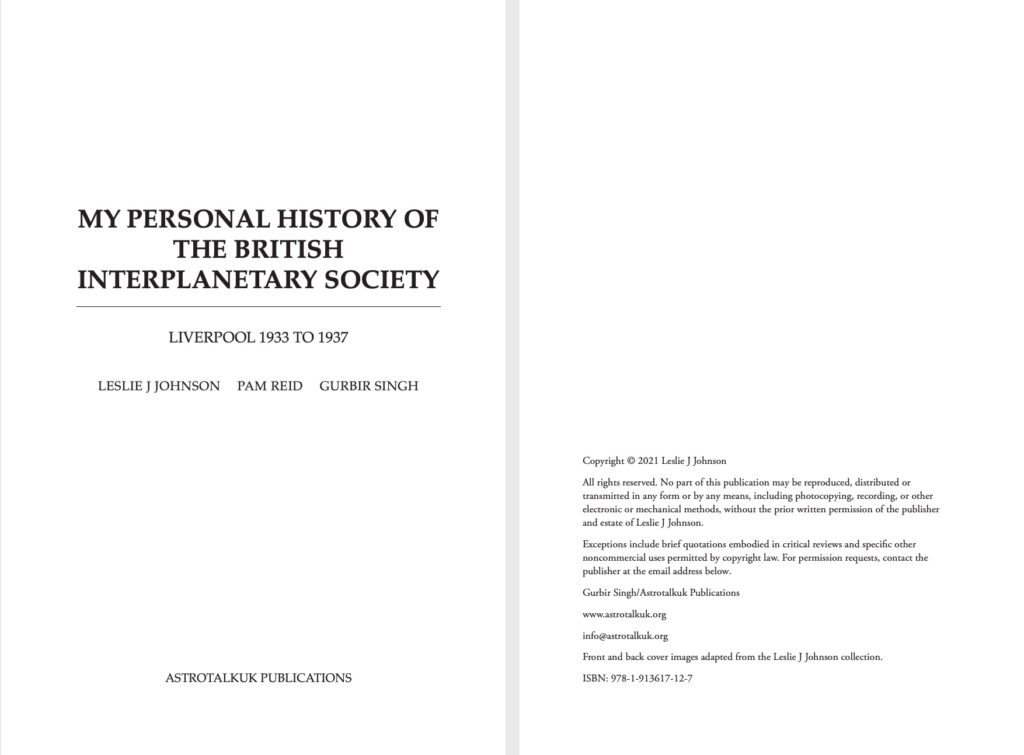
New Book – Leslie Johnson’s memoir. My Personal History of The British Interplanetary Society – Liverpool 1933 to 1937

By Gurbir Dated: May 20, 2022 Leave a Comment

My Personal History of 
The British Interplanetary Society 
1933 – 1937 Liverpool

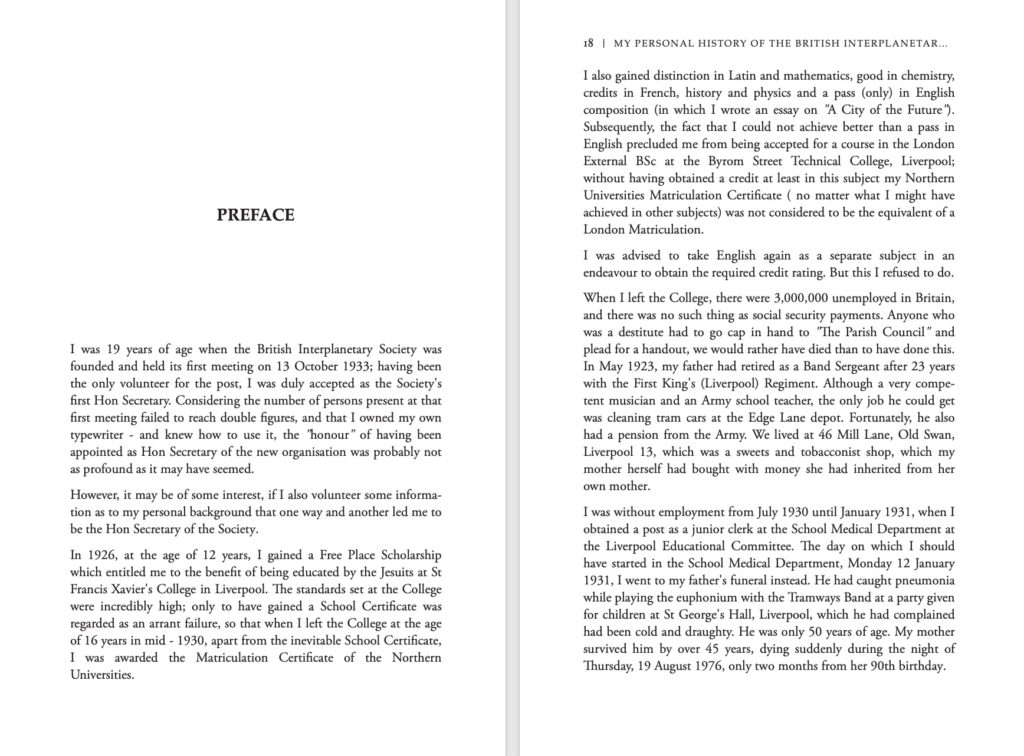
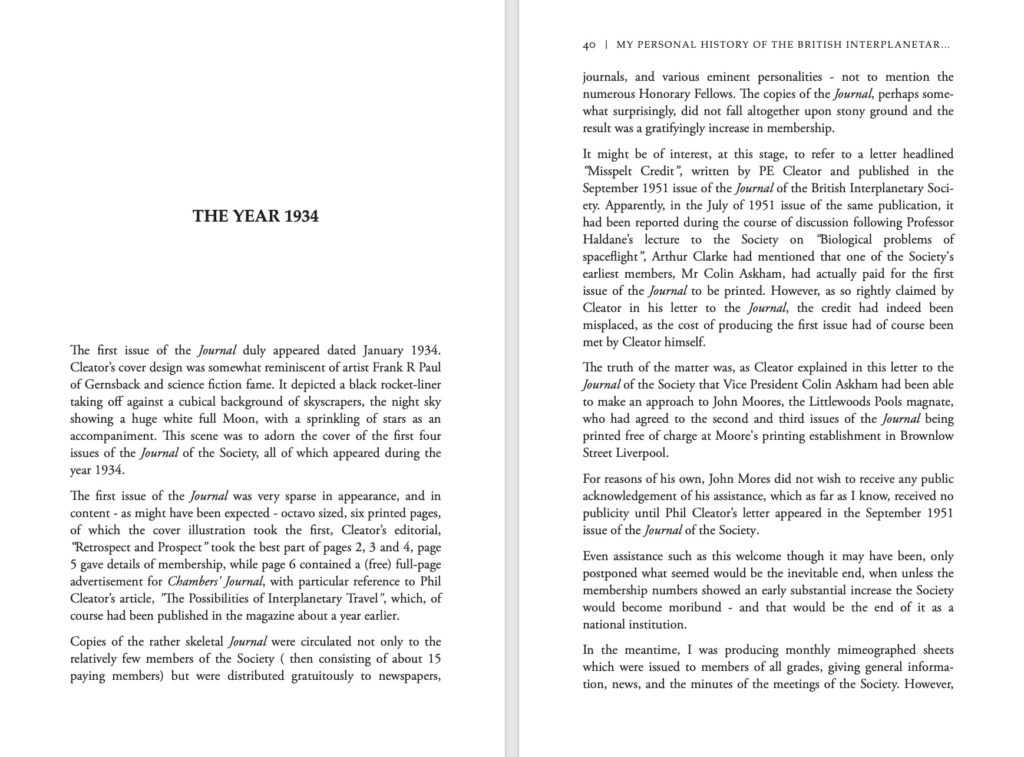
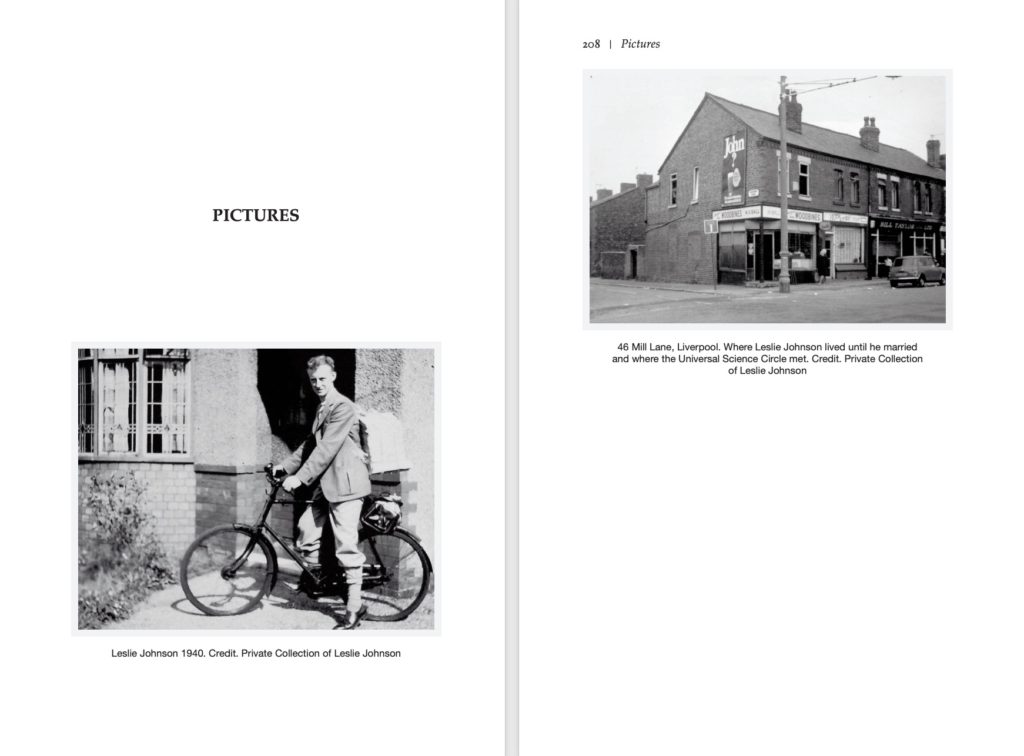
Leslie Johnson wrote this manuscript between 1974 and 1979. It records the BIS story during the Liverpool years. It includes his reflections on their collective 1930’s dream realised in 1969 – the landing on the Moon of Apollo 11. This book (paperback and ebook) includes a foreword from his daughter Pam Reid, an introduction and an epilogue from me. An excerpt from my epilogue is below and “look inside” images of the book, at the bottom.

Most of the early BIS members were writers. Post-war members included Carl Sagan, Eric Burgess, Olaf Stapledon, George Bernard Shaw, Robert Heinlein and Patrick Moore. Clarke, Robert Heinlein, Willy Ley and Isaac Asimov were considered “Astrofuturists”.⁠ They were all scientifically literate, and scientific principles guided their writings. Many of the visions they imagined then underpin our 21st-century society today. For example, the focus of Clarke’s celebrated 1945 paper, ‘Extraterrestrial Relays’, is now deployed in communication satellites that provide communication services anytime, anywhere between anyone on Earth. In 1971, Clarke was invited by the US State Department for the signing of the 80-nation INTELSAT (International Telecommunication Satellite Organisation) agreement. He concluded his speech by saying, “you have just signed far more than just another intergovernmental agreement. You have just signed a first draft of the Articles of Federation of the United States of Earth”.⁠ By chance, in 1975, when he was living in Sri Lanka, Clarke was one of the first to have a private satellite link at home.⁠

In his 1973 novel, Rendezvous with Rama, Clarke imagined a human society living in colonies amongst the solar system’s planets. Rather than a World State, he imagined a United-Nations-like body but for all the colonies of the Solar System. He called it United Planets and based its headquarters on the Moon. Johnson, Cleator, Clarke and all their contemporary writers were innately optimistic and shared principles of Humanism. In October 1939, Cleator described war as the “supreme and ultimate imbecility of the human species”.⁠ Rather than undermining their pre-war naive desire for a utopian future for humanity, their first-hand experiences of war vindicated their belief in a peaceful future for a united human race empowered by spaceflight.
The interplanetary community wrote about a future in which their hopes and wishes of the 1930s would be an everyday reality. A utopian vision where space technology could deliver education, fresh food, medical needs, social interactions and intellectual fulfilment. Much of the imagined technology has arrived, but these benefits are not yet equally distributed to all the people on the planet. That technology allows more people to live longer, healthier lives for the first time in human history. Still, poverty, discrimination and gross inequality persist within and between nations.⁠

An unassuming young man from Liverpool, born in the year the First World War started, Leslie Johnson not only lived through a remarkable period in history but also made a personal contribution to it. As a teenager, he established the Universal Science Circle. He does not write about the thought processes that led him to create it. He did not explicitly express his aspirations for a peaceful world united by a single international language powered by modern technology. But all his contributions convey that vision. It is a vision far from being realised, but incremental progress towards it continues to be made. 
Share this:

  • Share on LinkedIn (Opens in new window) LinkedIn
  • Share on Facebook (Opens in new window) Facebook
  • Share on Bluesky (Opens in new window) Bluesky

Public Talk – Rocket Societies in Liverpool and Manchester in the 1930s

By Gurbir Dated: March 10, 2022 Leave a Comment

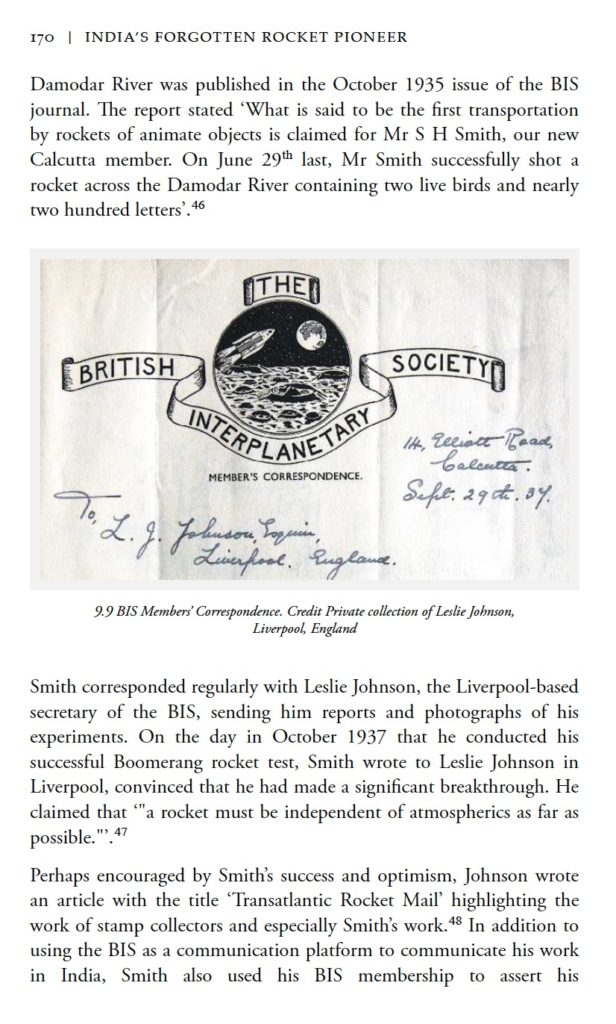
Manchester and Liverpool share a unique history in the development of rocket technology. The desire for spaceflight was promoted by the British Interplanetary Society, founded in Liverpool in 1933 and the Manchester Interplanetary Society in 1936.

They were not unique. Similar societies existed in Germany, Austria, the USA and the USA. There was even a one-man effort in 1934 in India.

In a public talk on Thursday evening 24th March, I will talk about the rise of these societies, the individuals who established them, the impact of World War Two on the development of rocketry after that led to the emergence of the Space Age – Sputnik in 1957 and first human spaceflight, Yuri Gagarin in 1961.

Some of the people who I will speak about are Phil Cleator and Leslie Johnson (founders of the British Interplanetary Society in Liverpool) Eric Burgess (founder of the Manchester Interplanetary Society), Willy Ley (a key player in German rocket society). As well as some early BIS members including Patrick Moore, Arthur C Clarke and Carl Sagan.

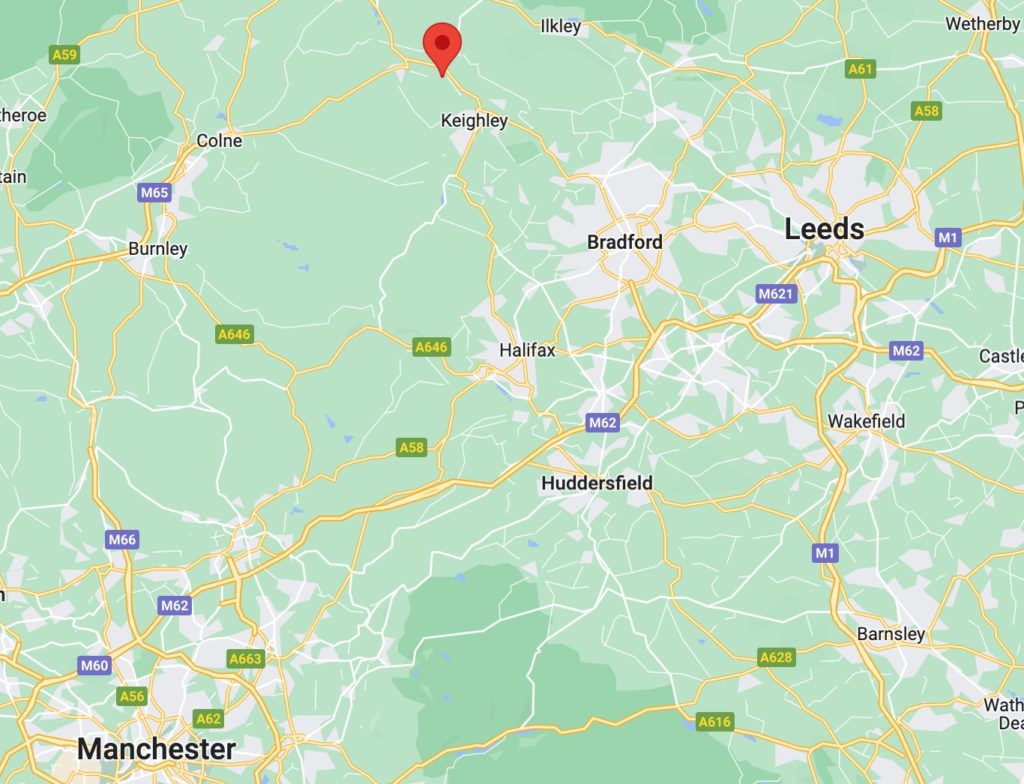
The event is organised by the Keighley Astronomical Society and take place in Keighley, Yorkshire starting at 7pm on Thursday 24th March 2022.

BIS HQ in London
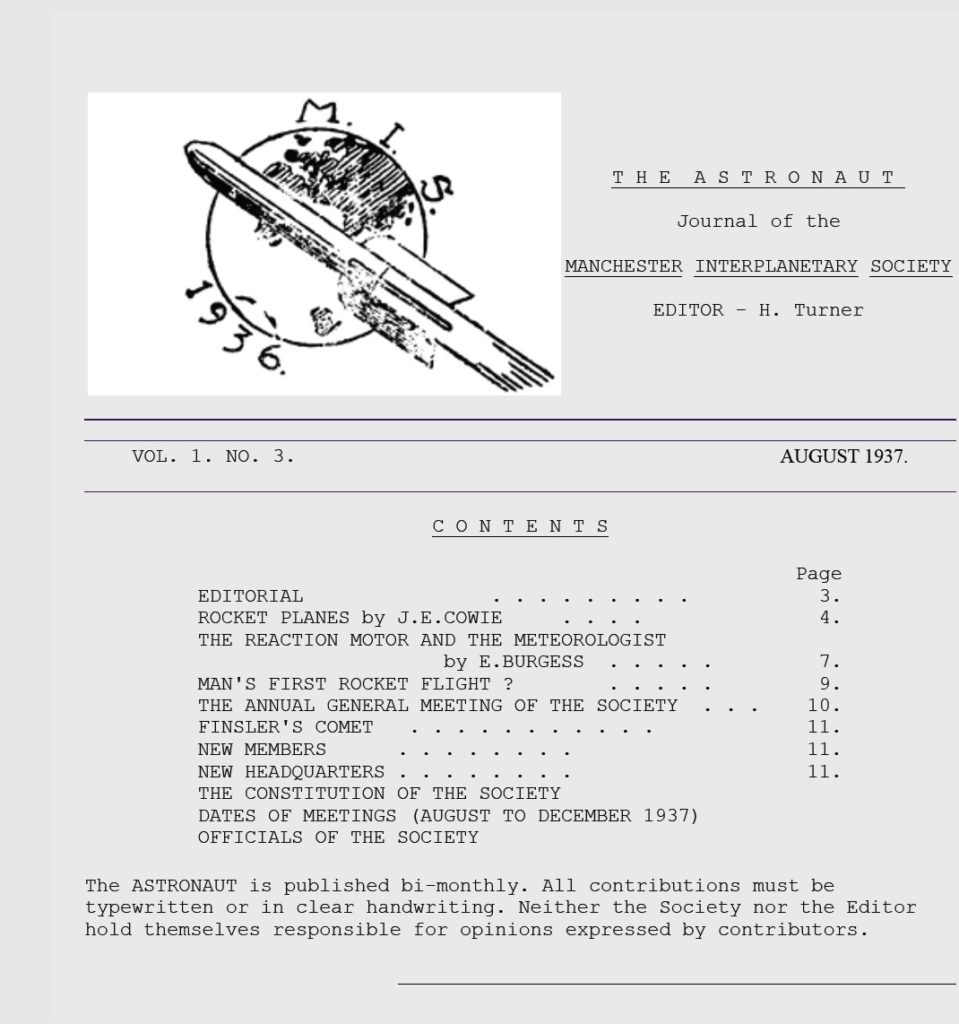
MIS Publication – The Astronaut 1937
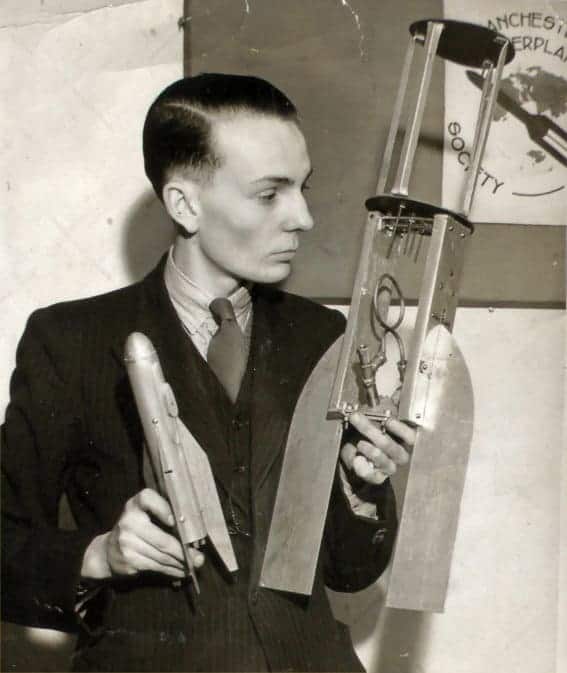
MIS Member
Stanley Davis
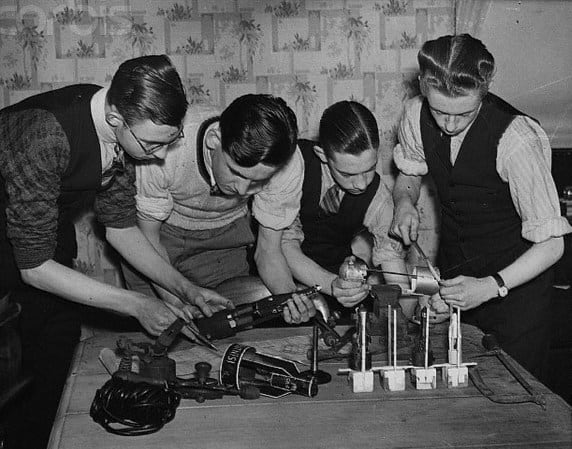
Members of the Manchester Interplanetary Society
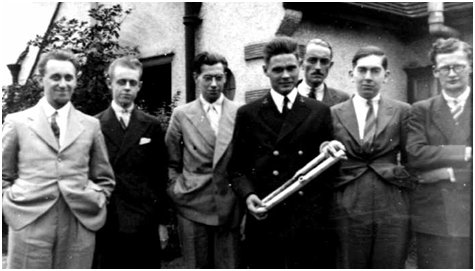
Early meeting of the BIS
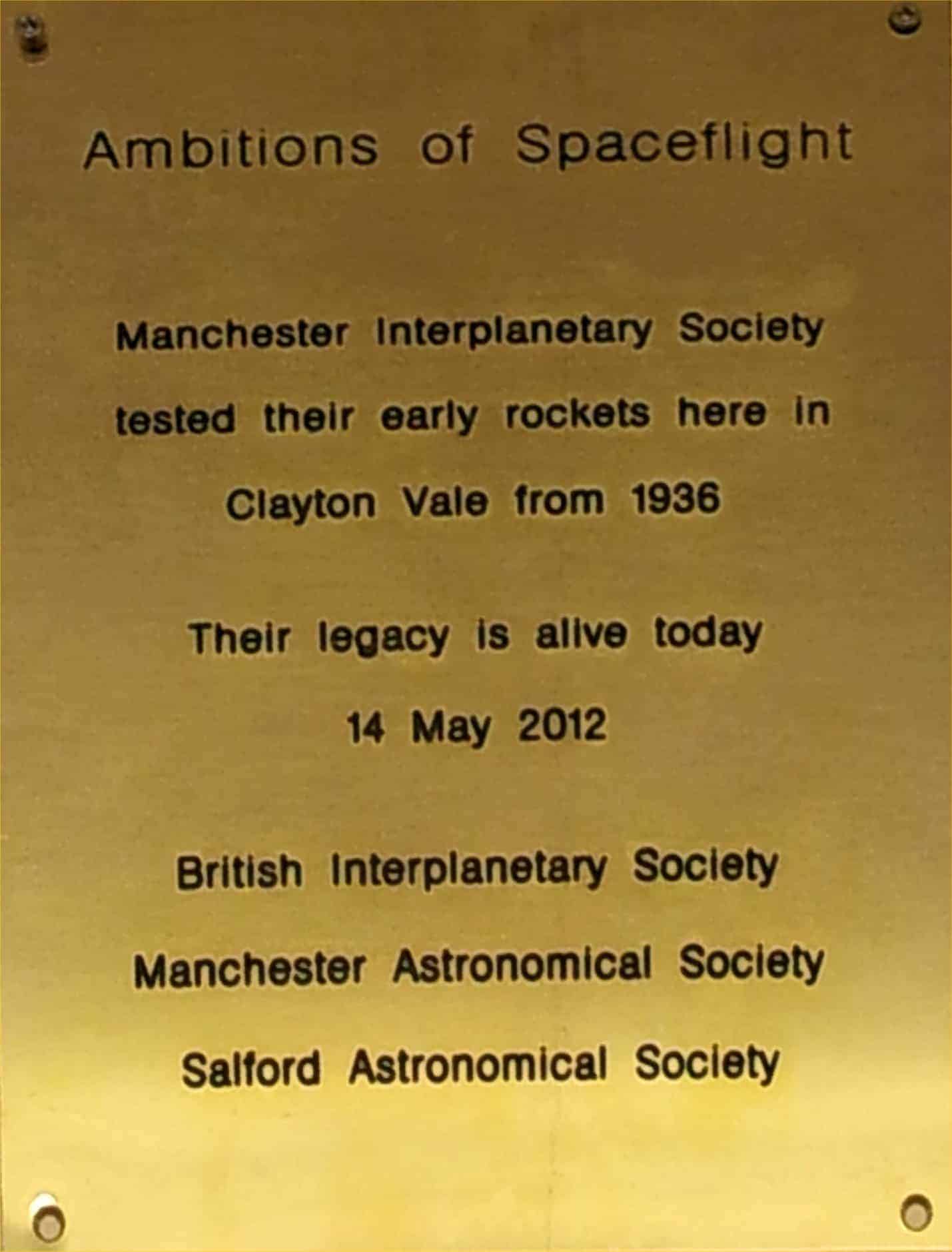
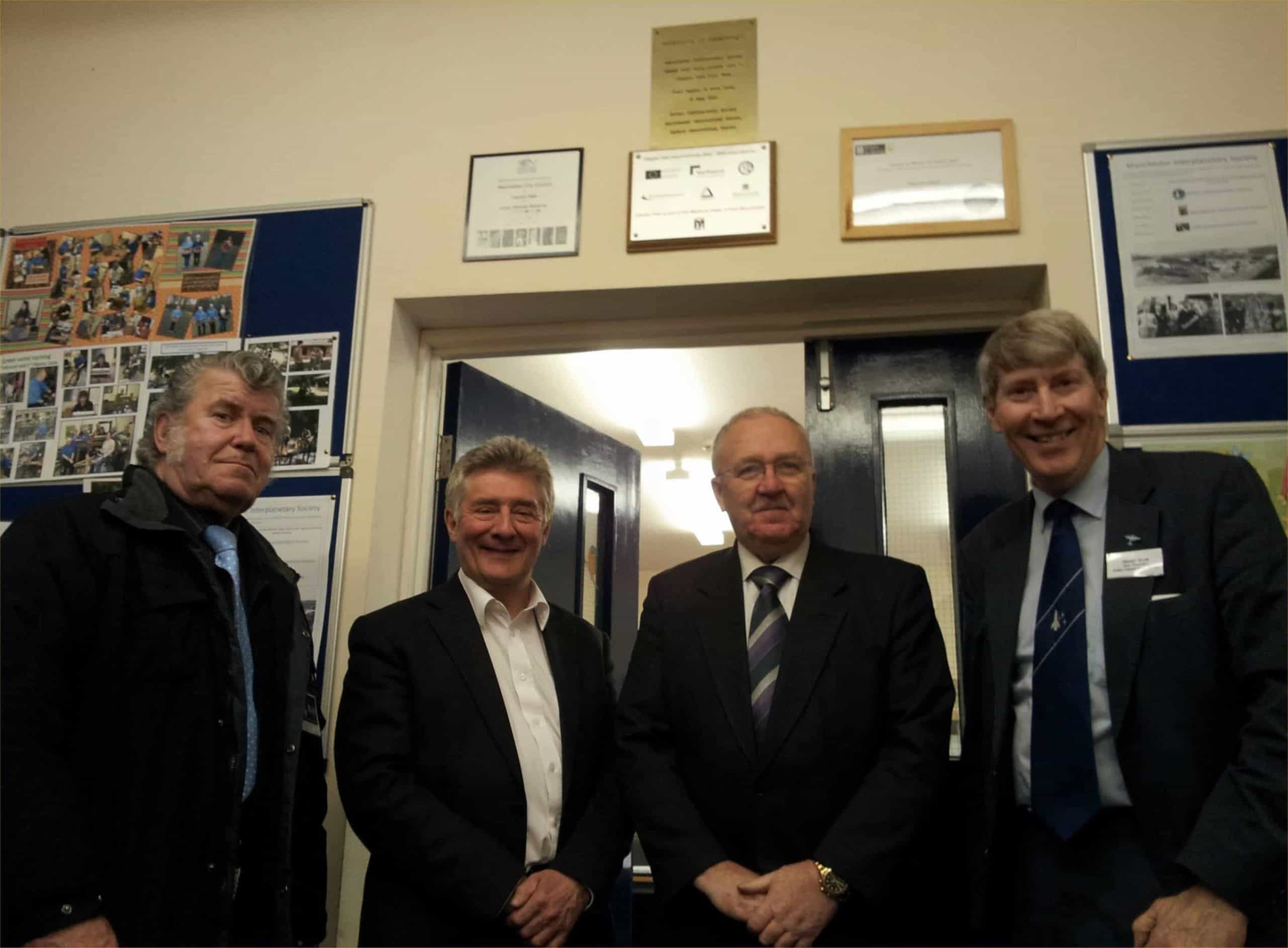
Plaque unveiled by Tony Lloyde MP
14 May 2012
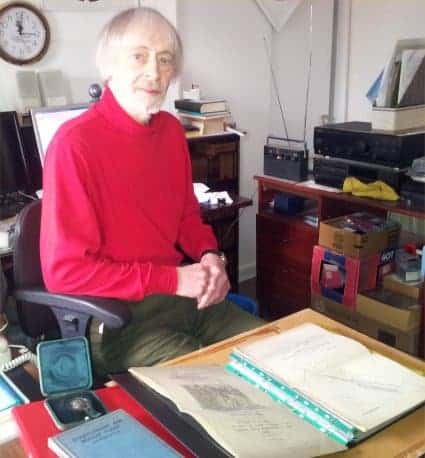
Philip Turner
his farther Harry Turner was a member of the MIS
From L to R – Tony Cross, Tony Llyode MP, Frank O’Rourke and Alistair Scott
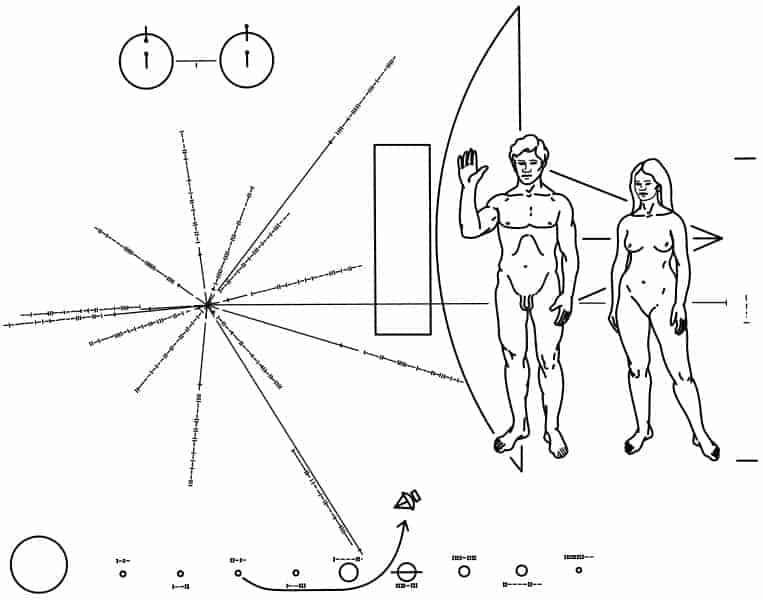
Pioneer Plaque
Inspired by Eric Burgess

Share this:

  • Share on LinkedIn (Opens in new window) LinkedIn
  • Share on Facebook (Opens in new window) Facebook
  • Share on Bluesky (Opens in new window) Bluesky

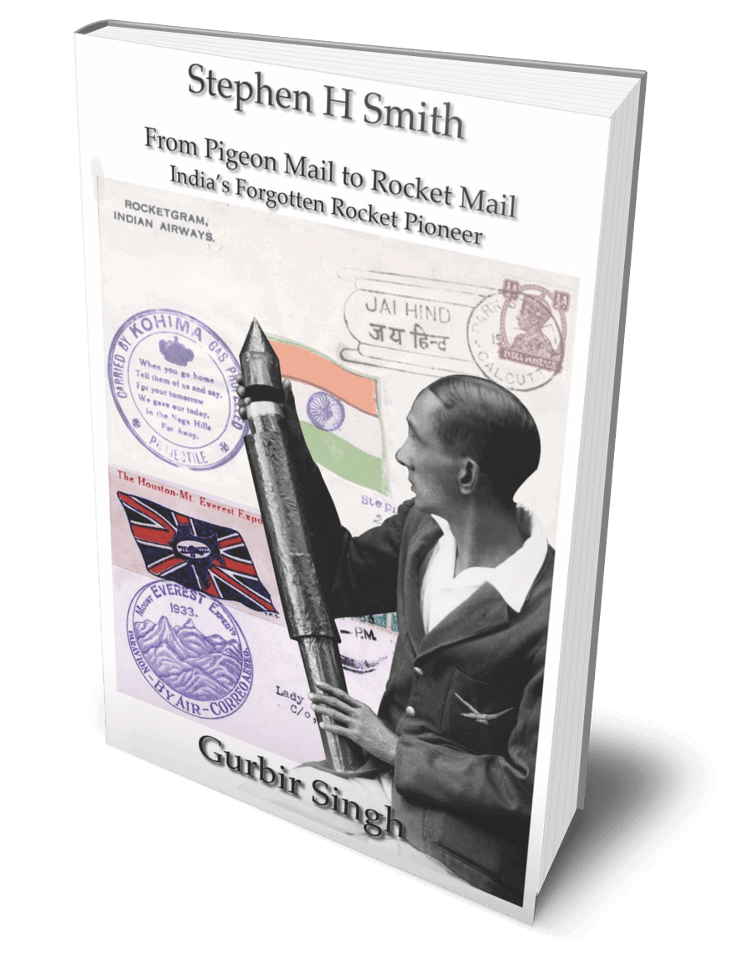
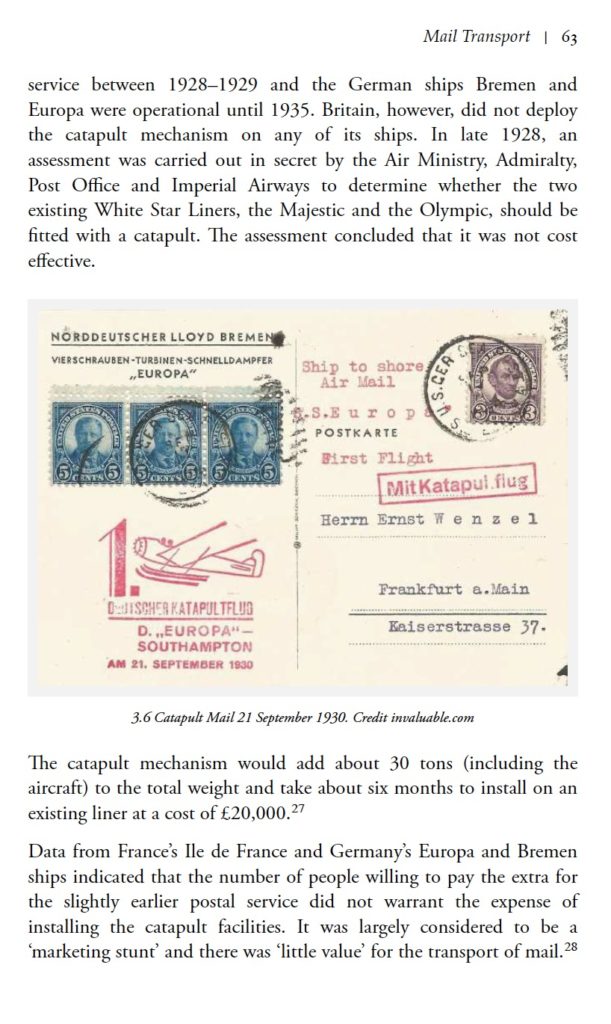
Award winning Book – India’s Forgotten Rocket Pioneer

By Gurbir Dated: November 24, 2021 Leave a Comment

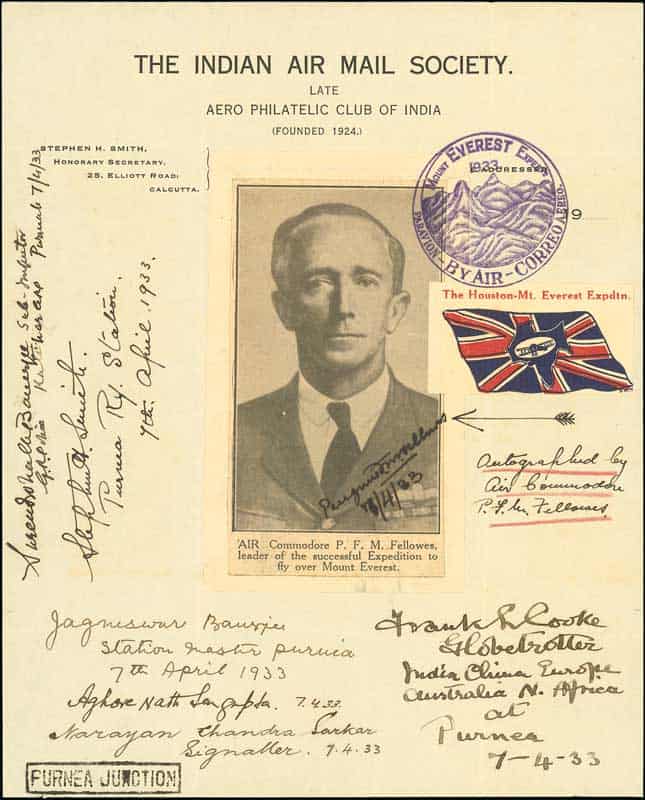
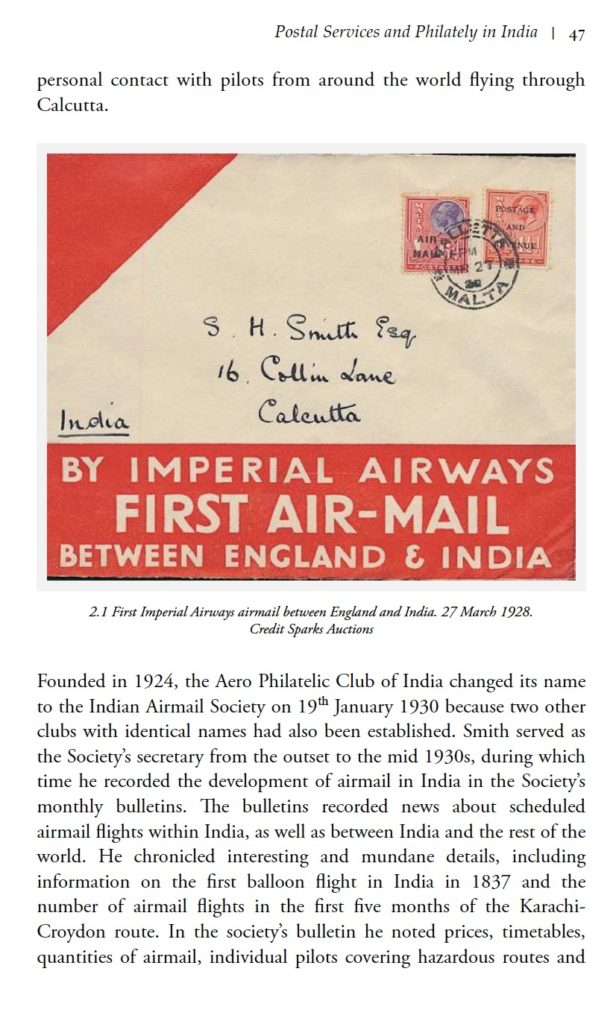
Stephen H Smith
India’s Forgotten Rocket Pioneer Stephen H Smith From Pigeonmail to Rocketmail

Delighted to see that my book “India’s Forgotten Rocket Pioneer” has been awarded the “Large Silver Award” by the Christchurch (New Zealand) Philatelic Society.

Singh, Gurbir (United Kingdom) LARGE SILVER AWARD for India’s Forgotten Rocket Pioneer

https://www.cps.gen.nz/page/442611

This was one of many entries in the 17th New Zealand National Philatelic Literature Exhibition in the Class A — Books & Monographs category on 20th November 2021. The CPS is one of the oldest philatelic organisations (founded in 1911) and has remained active since. More about the CPS here.

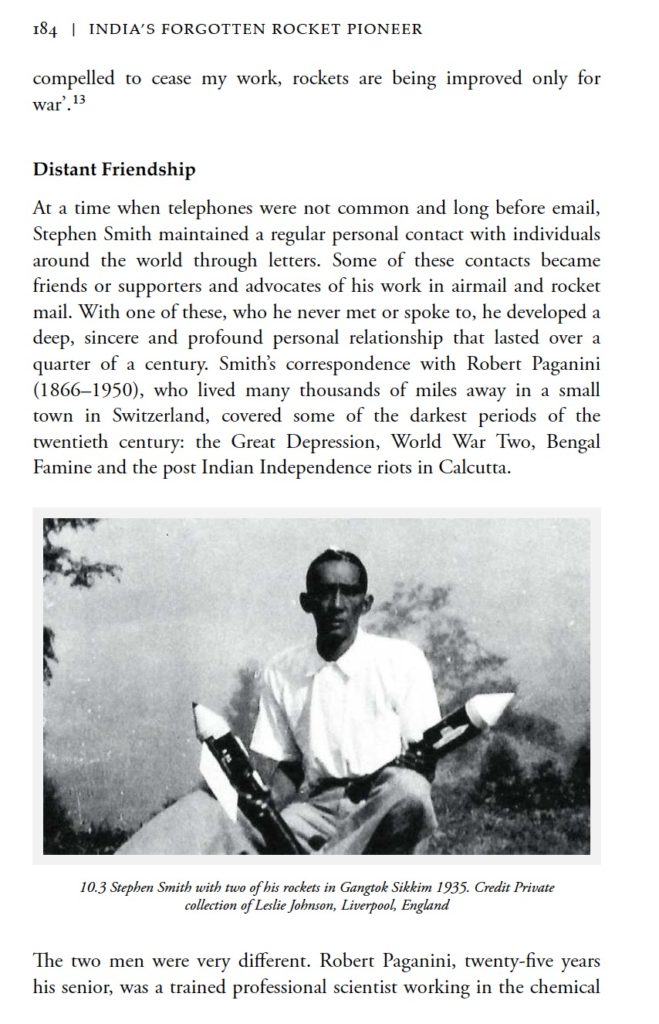
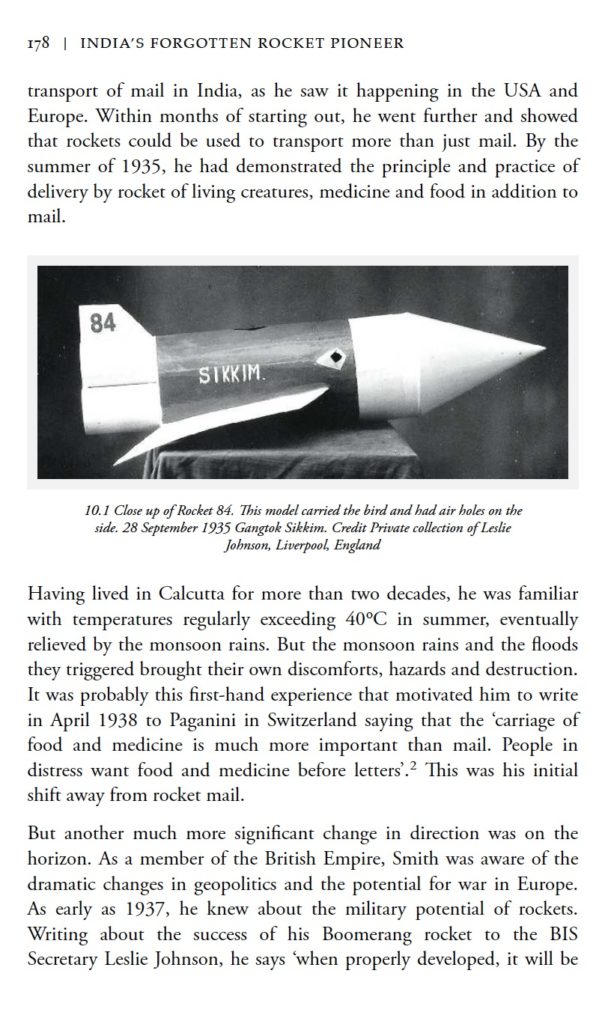
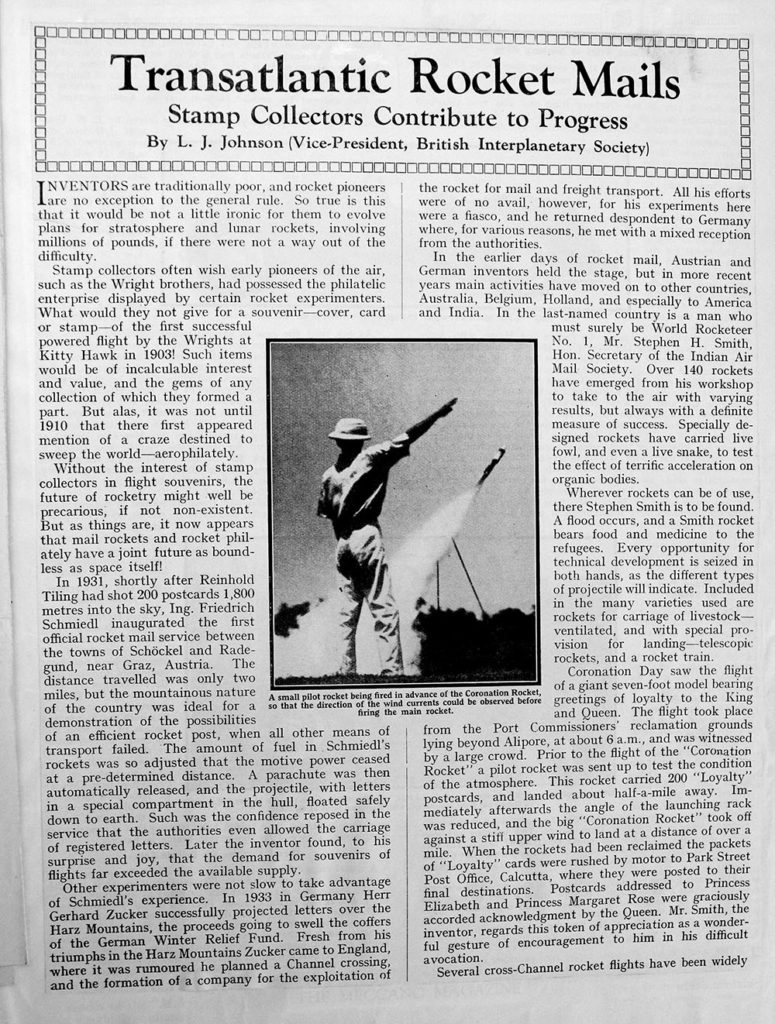
This book is the story of Stephen Smith who worked alone and unsupported between 1934 and 1944 on developing rockets as a method of transport. He demonstrated that that rockets could be used to transports food, mail, medicines and even livestock.

Smith tried to engage the (first British) Indian Government and after Independent India’s government but without avail. We wrote to the chief minister of Bengal and Nehru himself but got no response.

One of his longest lasting relationship was with Dr Robert Paganini in Switzerland. They correspond for over 25 years. Although they never met, when Paganini died in 1950, he left a quarter of his wealth to Smith. Smith died just 3 months later in February 1951.

More about this book – two podcasts where I answer questions

  • 10 July 2020. Interplanetary Podcast. India’s Forgotten Rocket Pioneer.
  • 19 June 2020. New Space India Podcast. India’s Forgotten Rocket Pioneer.

Share this:

  • Share on LinkedIn (Opens in new window) LinkedIn
  • Share on Facebook (Opens in new window) Facebook
  • Share on Bluesky (Opens in new window) Bluesky

Review of Book of – India’s Forgotten Rocket Pioneer

By Gurbir Dated: October 5, 2020 Leave a Comment

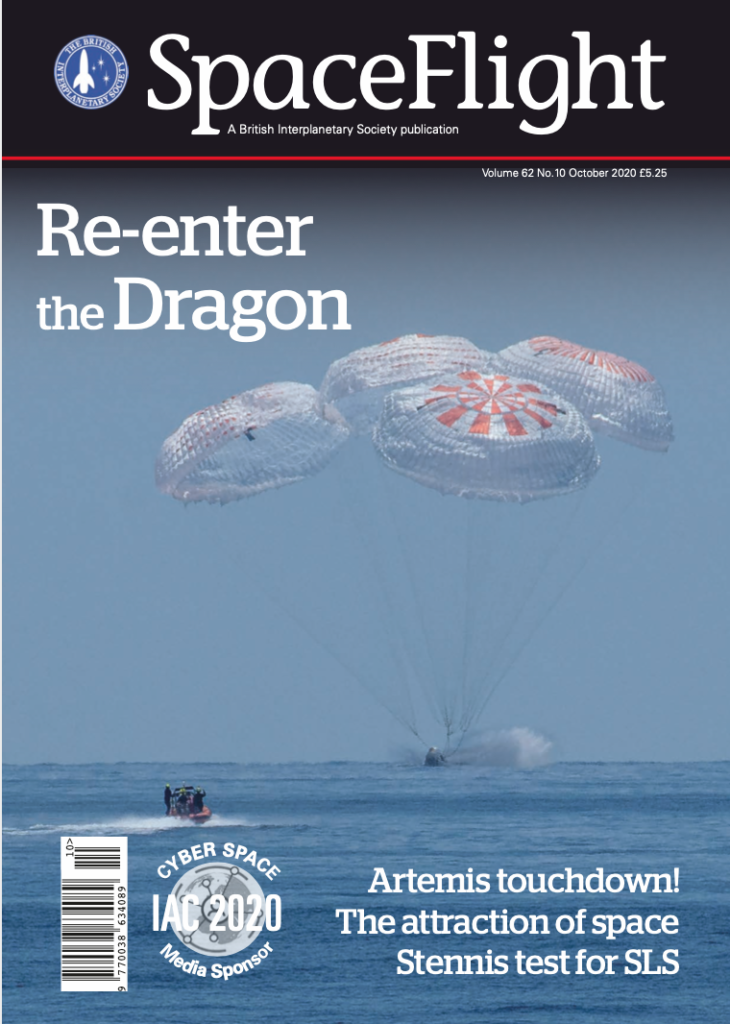
A review of my book “India’s Forgotten Rocket Pioneer” in the October 2020 edition of Spaceflight – the monthly journal of the British Interplanetary Society. A copy of the short review below.
Based in London, the BIS is the oldest independent space advocacy organisation in the World. It was founded in Liverpool in 1933. It is entirely a membership based organisation with many events organised annually. Former members include Patrick Moore, George Bernard Shaw and Arthur C Clarke. The Journal is subscription only – learn more and join the BIS here

Not forgotten

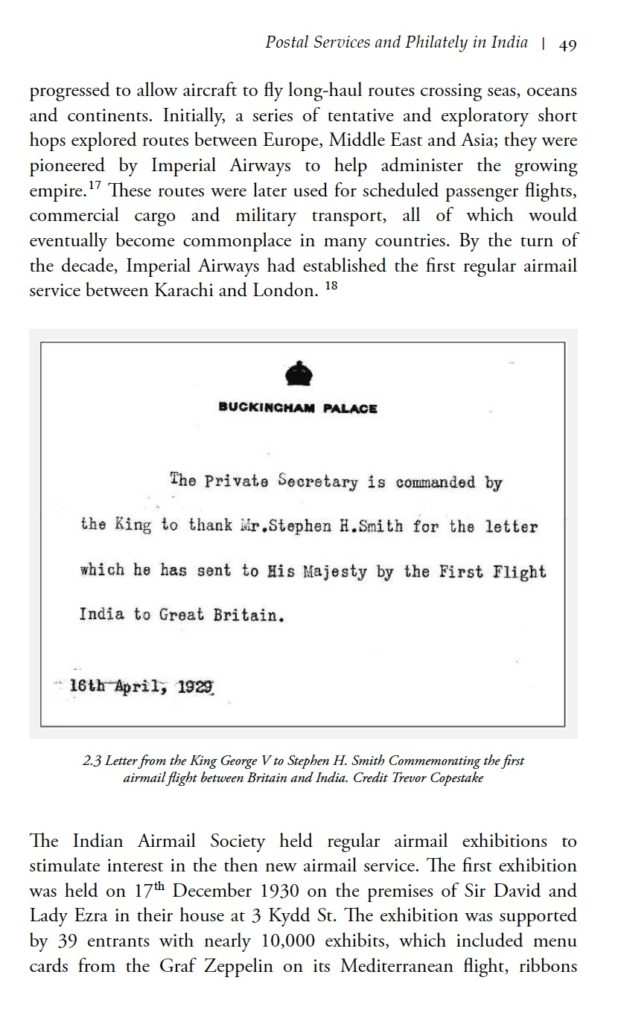
A new breed of space historian has emerged in the last decade giving voice to forgotten lives every bit the equal of those fortune determined would become famous and lead the race into orbit and beyond. And the world of astronautics is the better for it. Other lives matter. This book from a leading space historian is a very welcome addition and brings a reminder of how much we have been missing from the chronicle of global achievements in rocketry and space exploration. For too long we have focused on the big names such as Tsiolkovsky, Oberth, Goddard, von Braun and Korolev. This book helps to restore the balance through the story of a minor player, a life worth recording because it tells the story of a man obsessed with future possibilities, and that should resonate well with readers of this magazine. It is the story of Stephen Smith, a big name in the world of philately but not well-known at all for his achievements in astronautics.

Stephen Smith caught the attention of this author during his research into his magnum opus on India’s Space programme, its origins, development and evolution, and inspired Gubir Singh to research more deeply into the life of this Anglo Indian. A man whose work was lost in the chaos that attached itself to India’s independence in the 1940s and the turmoil caused by political upheaval. It is a terribly sad reflection on the shifting winds of fortune that Smith’s work was overwhelmed by those seismic national forces.

For a decade from the mid-1930s, Smith worked alone in Calcutta conducting experiments with rockets and their potential for practical application. Combining his great interests in stamps and the mail service, he developed the idea of using rockets to deliver mail and in this aspiration joined other pioneers in other countries, such as Schmeidl in Austria, Zucker in Germany and Pendray in the United States. As Singh notes in this fascinating account of Smith’s life, the world was changing and the advancement of civil aviation and associated technical capabilities had, by the end of the 1930s, made rocket mail redundant.

Denied the opportunities and the support for his rocketry by the travails of wrenching India from the grip of Empire, Stephen Smith’s life passed into obscurity. This book is all the more rewarding because it puts light to the life of a pioneer whose work was denied the publicity it deserved by politics, war and the exhausting liberation of a continent from foreign ownership. This a must- read book. Available at an exceptionally low price, fully illustrated and with a pleasing, period design, I cannot recommend it too highly.

Share this:

  • Share on LinkedIn (Opens in new window) LinkedIn
  • Share on Facebook (Opens in new window) Facebook
  • Share on Bluesky (Opens in new window) Bluesky
« Previous Page
Next Page »

Find me online here

  • E-mail
  • Facebook
  • LinkedIn
  • Twitter
  • Vimeo
  • YouTube

subscribe to mailing list and newsletter

  • This field is for validation purposes and should be left unchanged.

Browse by category

Recent Comments

  • Frank Pleszak on Episode 117: Early Aviation in Manchester
  • Gurbir Singh on Episode 111: Chandrayaan-3
  • Lunar Polar Exploration Mission: Difference between revisions – भोजपुरी on Episode 82: Jaxa and International Collaboration with Professor Fujimoto Masaki
  • Gurbir on Public Event. Anglo Indian Stephen Smith – India’s forgotten Rocketeer
  • Sandip Kumar Chakrabarti on Public Event. Anglo Indian Stephen Smith – India’s forgotten Rocketeer

Archives

Select posts by topic

apollo astrobiology Astrophotography BIS Book Review Carl Sagan CCD China chines space Cloud Computing cnsa commercial Cosmology curiosity Education ESA Gagarin History India Infosec ISRO jaxa Jodrell Bank Mars Media Moon NASA podcast radio astronomy Rakesh Sharma rocket Rockets Roscosmos Science Science Fiction seti Solar System soviet space space spaceflight titan USSR video Vostok Yuri Gagarin

Copyright © 2008–2026 Gurbir Singh - AstrotalkUK Publications Log in