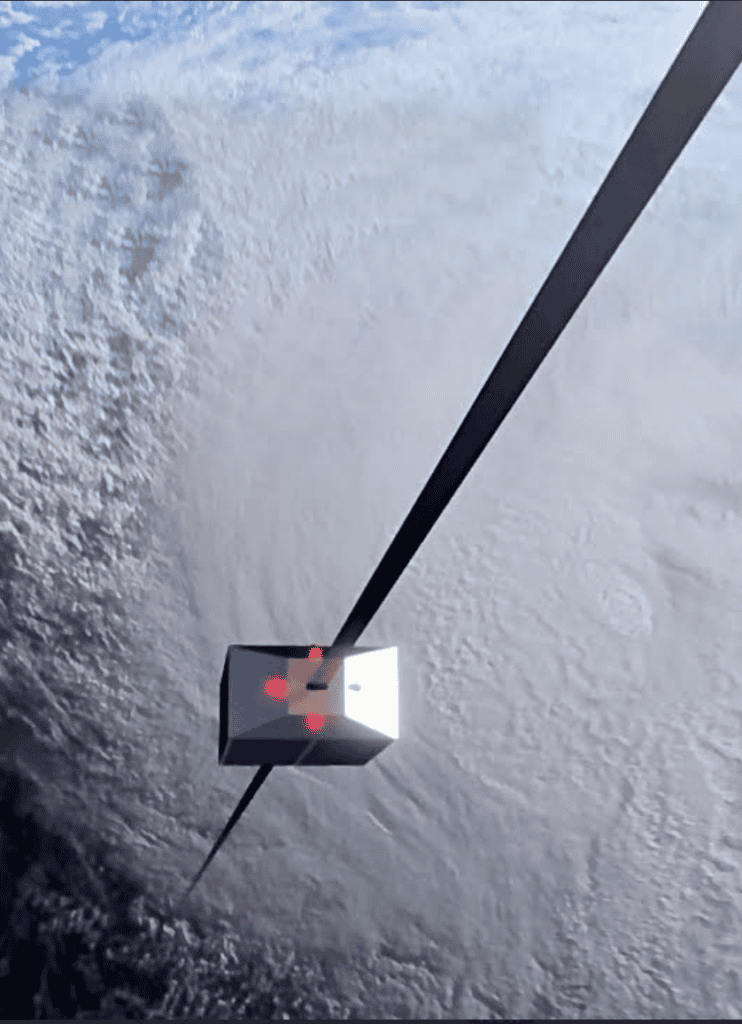
Imagine a giant vertical railway stretching 100,000 km from the equator, somewhere in the Pacific, straight up into space. Instead of expensive, polluting rockets, the space elevator offers a smooth, slow electric ascent to Earth orbit. This “bridge to the stars” connects a floating Earth platform at 36,000 km to a massive counterweight located 64,000 km farther out. It is held taut by the Earth’s rotation.
Space travel is then transformed from a risky adventure into routine cargo shipping. Powered by revolutionary materials such as graphene and innovative laser beams, a space elevator offers a green, affordable gateway to the solar system. Making that a reality is the ambition of the International Space Consortium.
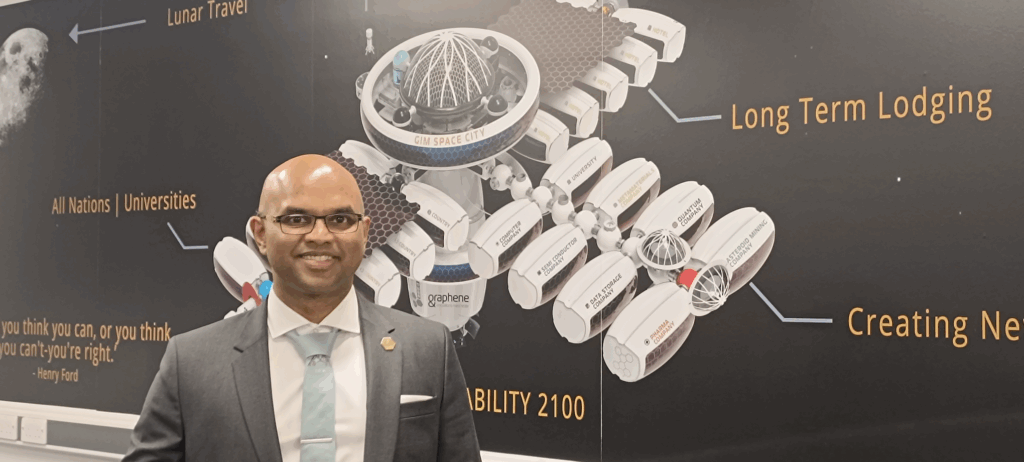
Rob Whielden and Adrian Nixon from the Nixene Journal talk about the final piece of the Space Elevator engineering puzzle – the ultra-strong material needed to make the tether. Both are experts on the unique properties of Graphene. In this interview, recorded at the University of Manchester’s Graphene Engineering and Innovations Centre, we discuss the ongoing journey of a Space Elevator from science fiction to an operational reality. The discussion includes

- A 100,000 km tether connects Earth to a deep-space apex anchor.
- Centrifugal force keeps the cable taut like a spinning bucket.
- Graphene’s extreme tensile strength makes this massive engineering project possible.
- Electric climbers move cargo affordably, bypassing inefficient, polluting chemical rockets.
- Laser beams through atmospheric “windows” will likely power the climbers.
- China aims to build a functioning space elevator by 2045.
A short animated video generated using NotebookLM with ONLY this audio interview as an input.




























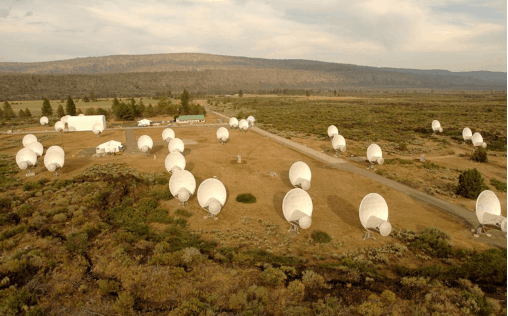




















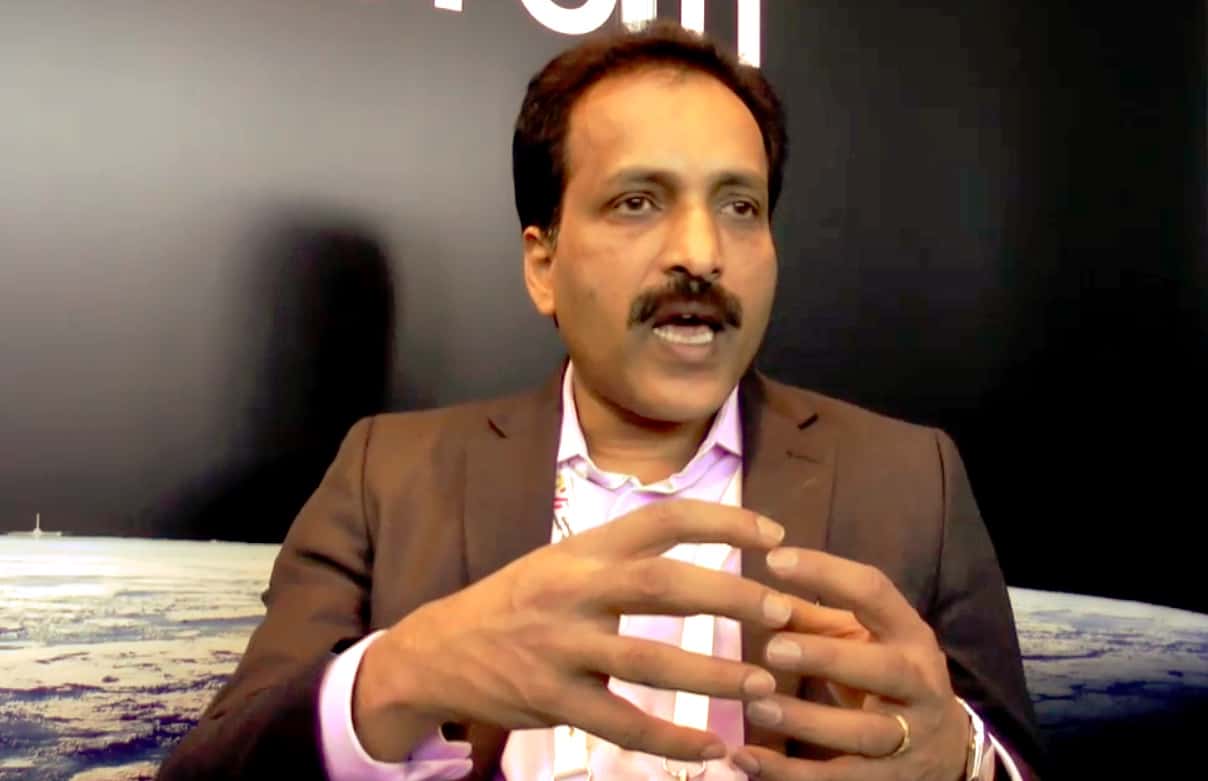
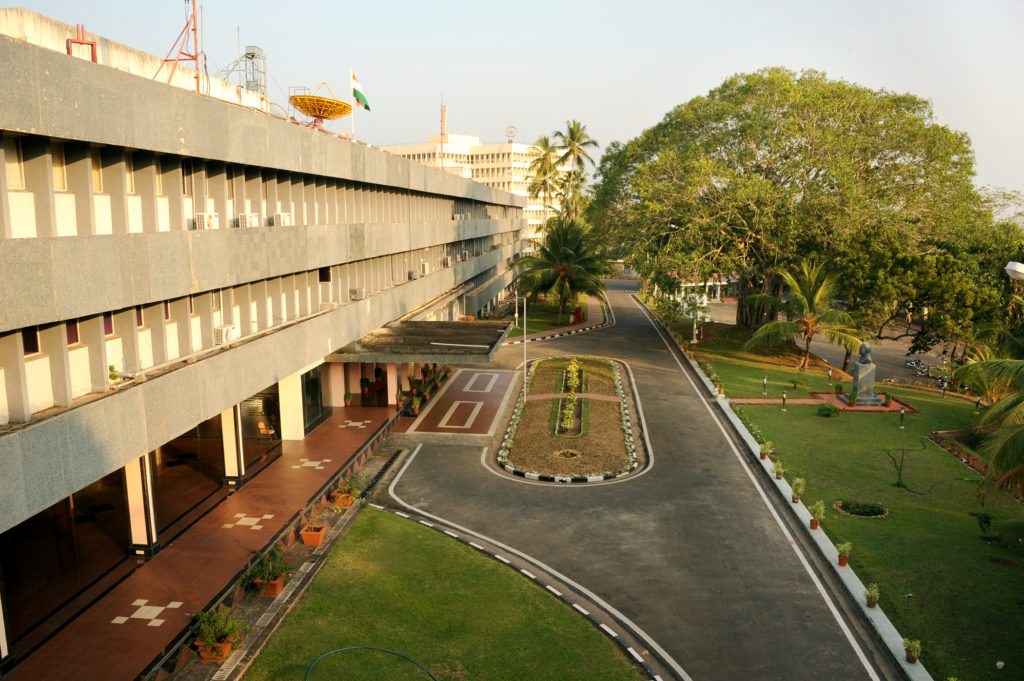
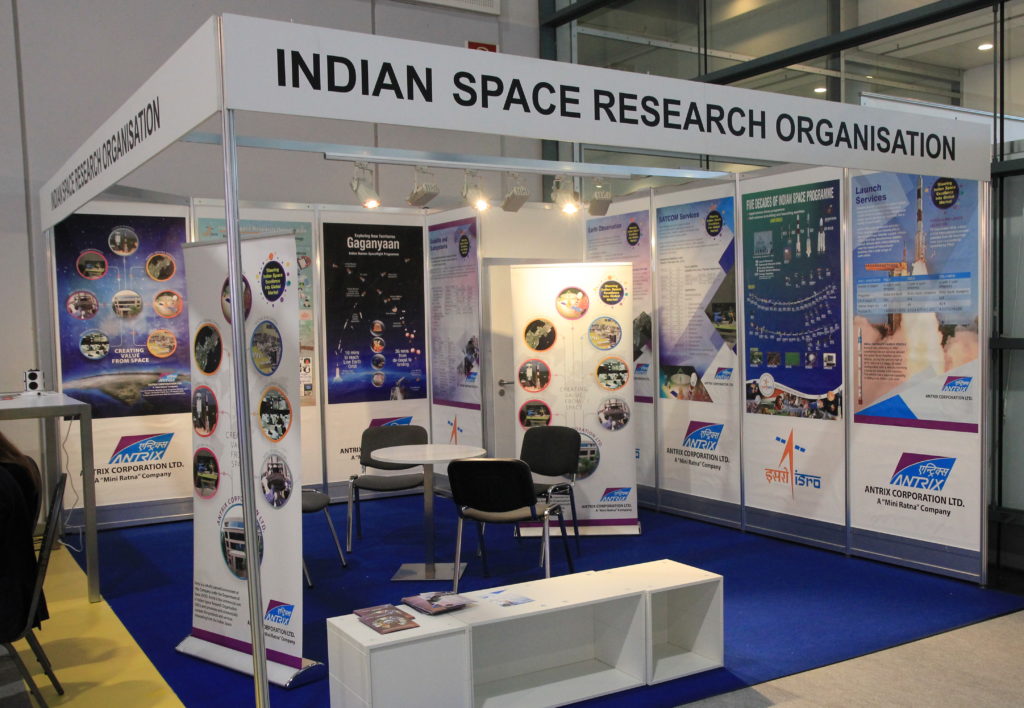






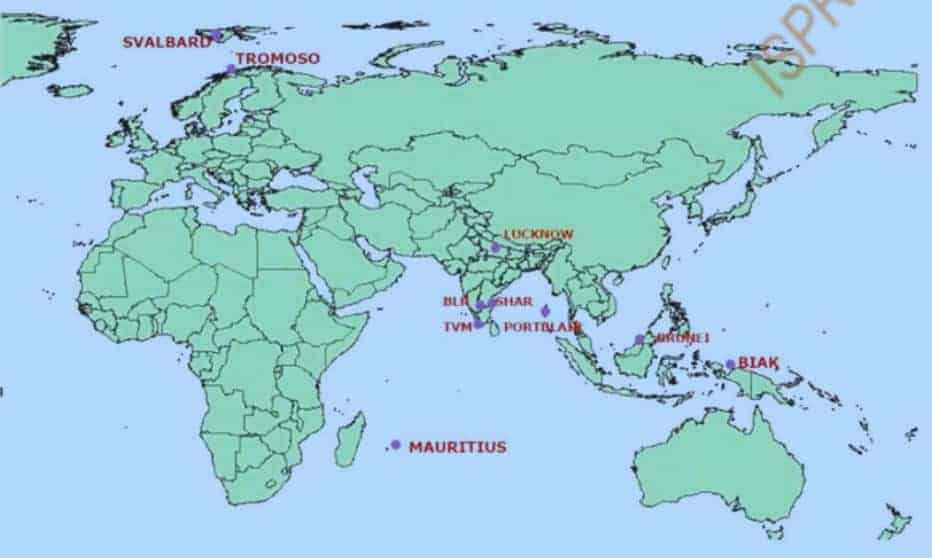 India’s space program is now over half a century old. During this time, its Infrastructure has evolved. This episode looks at the current communication capabilities used to support space vehicles during launch, in Earth orbit or on interplanetary missions.
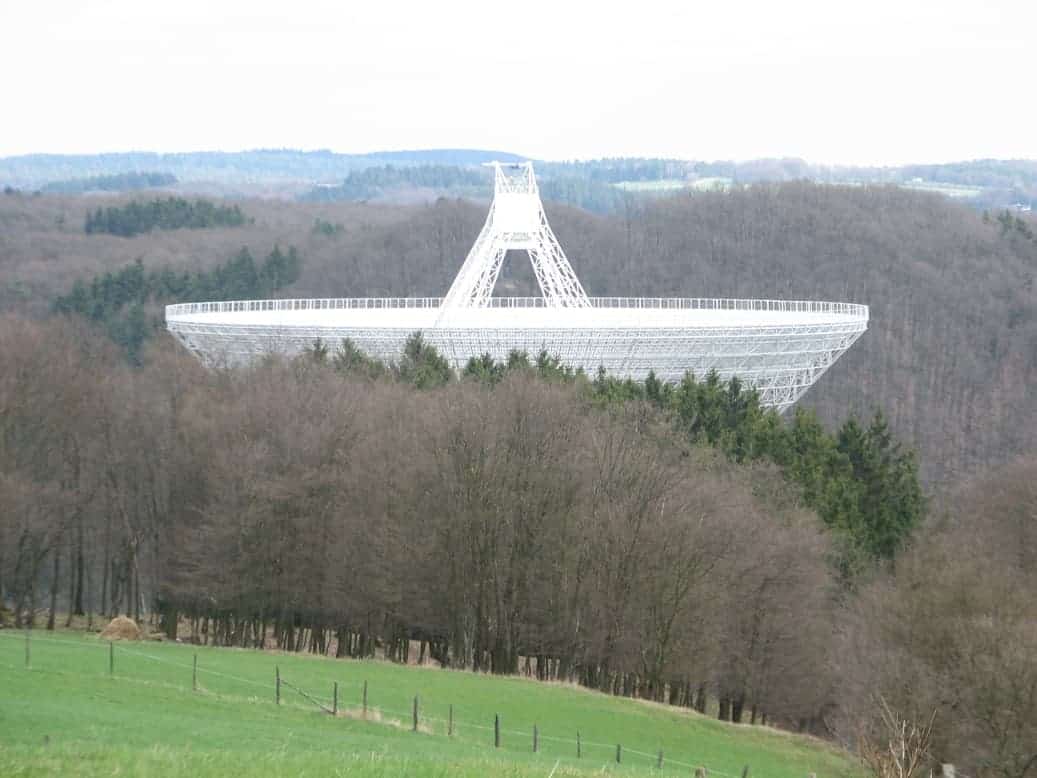
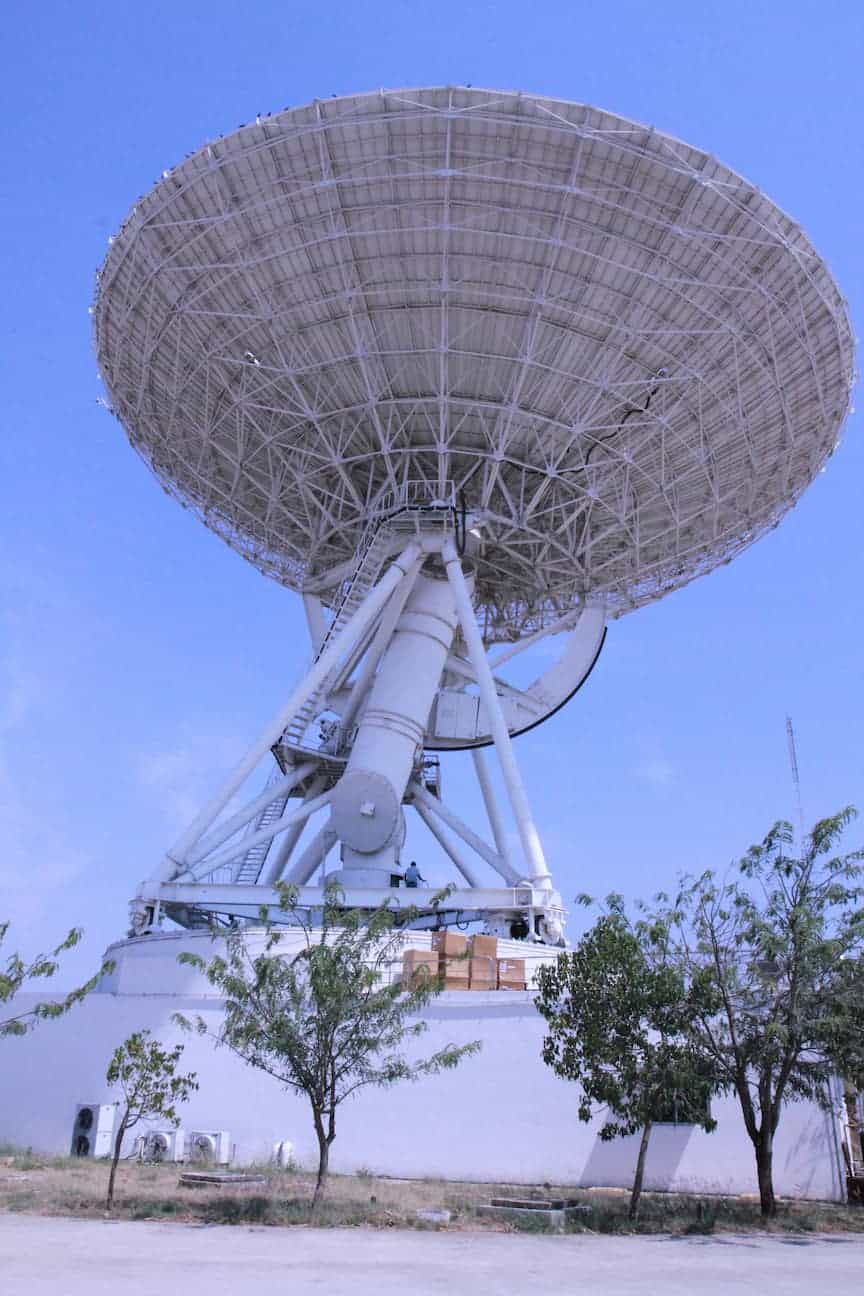 ‘s flagship deep-space antenna is the 32m fully steerable dish at Byalalu, close to Bangalore. It was established for the 2008 Moon mission and has since been the primary means of communicating with the Mars Orbiter Mission. Byalalu is also the central site for India’s Regional Navigation Satellite System IRNSS, due to come into full operation in 2016.
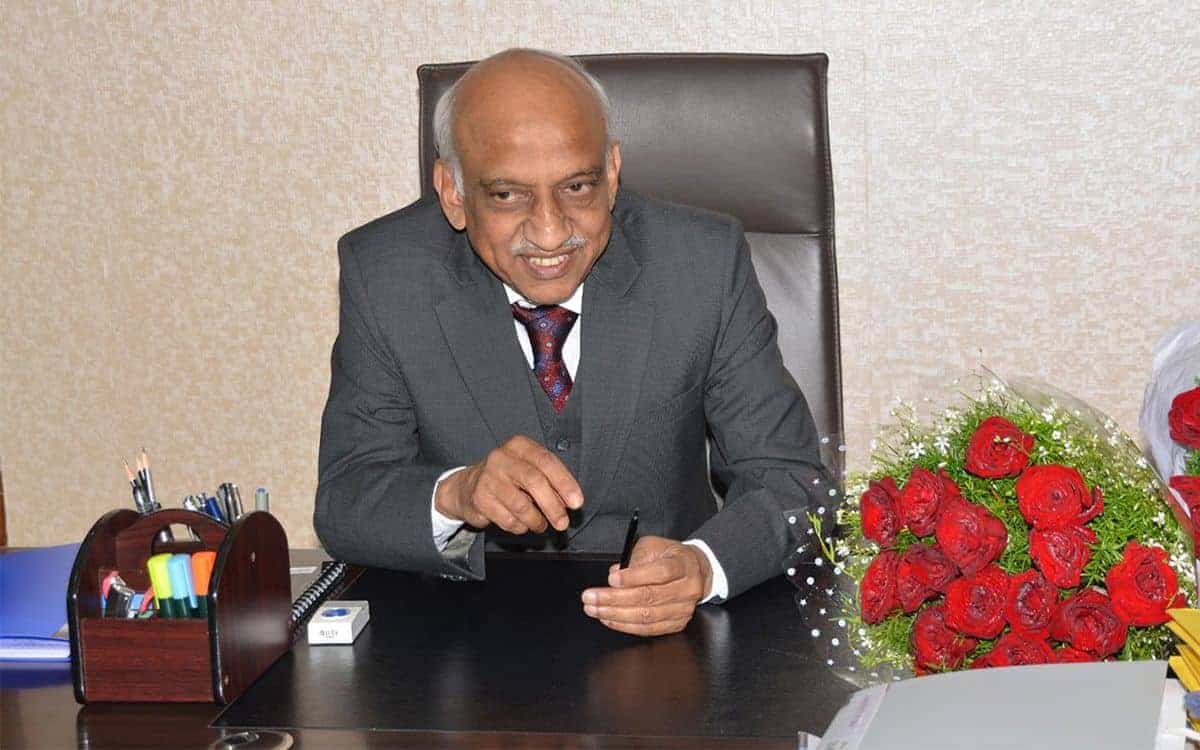
 This interview was recorded in his office at the